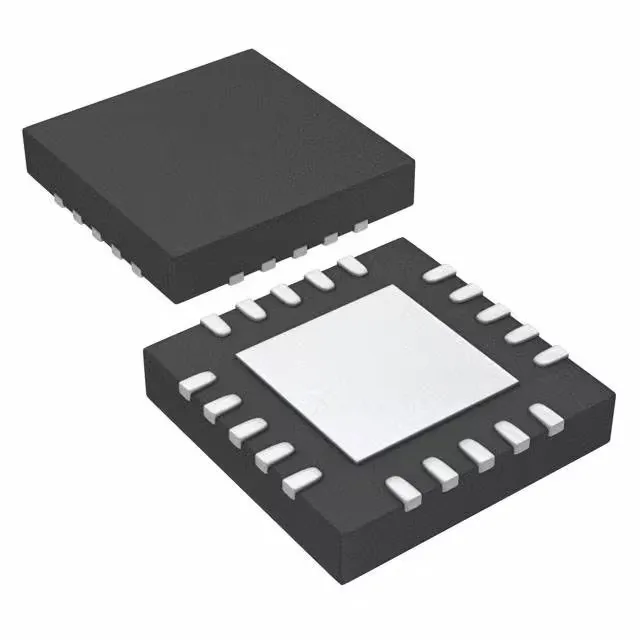
Texas Instruments TPS2505B1RGWR — Power Management (PMIC / Gate Driver)

TPS2505B1RGWR USB Switch, 3 Outputs, 80 mOhm, Active

MPNTPS2505B1RGWR
Active

Texas Instruments TPS2505B1RGWR USB power switch with integrated boost converter, 3 outputs, 80 mOhm max Rds(on), 1.8V to 5.25V load, -40°C to 125°C, 20-VQFN Exposed Pad.

$3.2100Ref. price · indicative, final on quote
Independent supplier — new & surplus stockAuthenticity-screened · ESD-safe packingListing updated Jul 2026

Specifications

TPS2505B1RGWR specifications
ParameterValue
Input typeNon-Inverting
Output typeN/P-Channel
TypeUSB Switch
MountingSurface Mount
Voltage - load1.8V ~ 5.25V
Voltage - supply (Vcc (Vdd))Not Required
Output current1.1A
I/O channels3
InterfaceLogic
Operating temperature-40°C~125°C(TJ)
PackageTape & Reel (TR); Cut Tape (CT)
FeaturesBoost Converter, Status Flag
Rds on80mOhm (Max)
Case20-VQFN Exposed Pad
Fault protectionCurrent Limiting (Adjustable), Over Temperature, UVLO
Output configurationHigh Side or Low Side
Ratio - Input:Output1:3

Product details

USB power switch with integrated boost — three-port distribution

The TPS2505B1RGWR: The 1:3 input-to-output ratio lets a single upstream rail feed three downstream USB ports or peripheral loads, with the boost converter stepping up the input when the load voltage exceeds the supply.

The maximum on-resistance of 80 mOhm sets the conduction loss floor.

Fault protection set — adjustable current limit, OTP, UVLO

The TPS2505B1RGWR includes adjustable current limiting, over-temperature protection, and undervoltage lockout. The current limit is set with an external resistor, allowing the designer to tailor the trip point per port rather than relying on a fixed threshold. Over-temperature protection shuts down the switch if the die exceeds the safe junction temperature, and UVLO prevents the switch from turning on when the input supply is too low to support the load.

Frequently asked questions

What is the difference between TPS2505B1RGWR and TPS2505B1RGER?

The silicon and electrical specifications are identical — the suffix indicates the shipping medium, not a functional change.