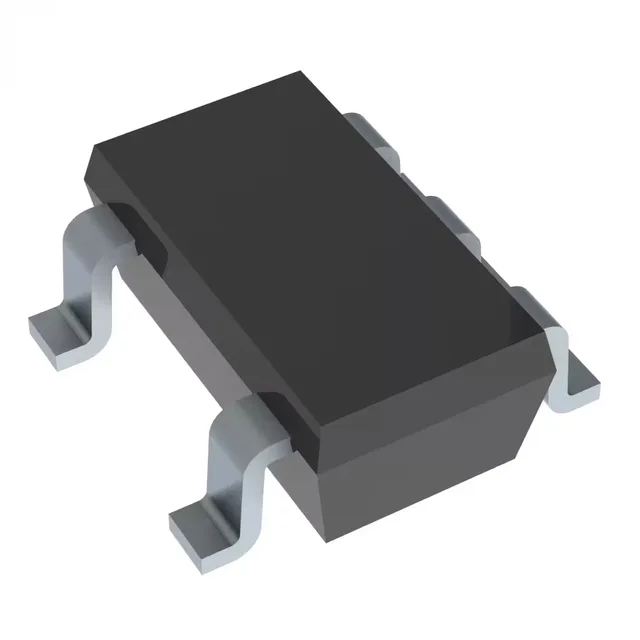
Texas Instruments TPS2001DDBVT — Discrete Semiconductors

TPS2001DDBVT USB Power Switch, 2A, SOT-23-5, Active

MPNTPS2001DDBVT
End of Life

Texas Instruments TPS2001DDBVT USB power switch, high-side, N-channel, 1 output, 2A max, 72mOhm Rds(on), SOT-23-5, tape and reel.

$1.25Ref. price · indicative, final on quote
PackagingSC-74A, SOT-753
RoHSROHS3 Compliant
Sourced new & surplus through independent channelsAuthenticity-screened · ESD-safe packingListing updated Aug 2026

Specifications

TPS2001DDBVT specifications
ParameterValue
Input typeNon-Inverting
Output typeN-Channel
TypeUSB Switch
MountingSurface Mount
Voltage - load5.5V
Voltage - supply (Vcc (Vdd))Not Required
Output current2A
I/O channels1
InterfaceOn/Off
Operating temperature-40°C ~ 85°C (TA)
PackageTape & Reel (TR); Cut Tape (CT)
FeaturesStatus Flag
Rds on72mOhm
CaseSC-74A, SOT-753
Fault protectionCurrent Limiting (Fixed), Over Temperature, Reverse Current, UVLO
Output configurationHigh Side
Ratio - Input:Output1:1

Product details

USB power switch in SOT-23-5

The TPS2001DDBVT: The 72 mOhm typical on-resistance keeps conduction losses low in a compact SOT-23-5 footprint.

Protection suite and output control

Fault protection covers current limiting (fixed), over-temperature shutdown, reverse-current blocking, and under-voltage lockout (UVLO) — the four conditions that typically take out an unprotected USB port. A status flag output signals fault events to the host controller. The switch is enabled by a non-inverting On/Off interface and requires no external Vcc supply rail — the gate drive is self-biased from the load voltage.

Package and temperature grade

The supplier device package is SOT-23-5; the tape-and-reel and cut-tape options are listed for volume and prototype procurement respectively.

Frequently asked questions

What fault protection does the TPS2001DDBVT include?

The device integrates current limiting (fixed), over-temperature shutdown, reverse-current blocking, and under-voltage lockout (UVLO). A status flag output reports fault conditions to the system controller.