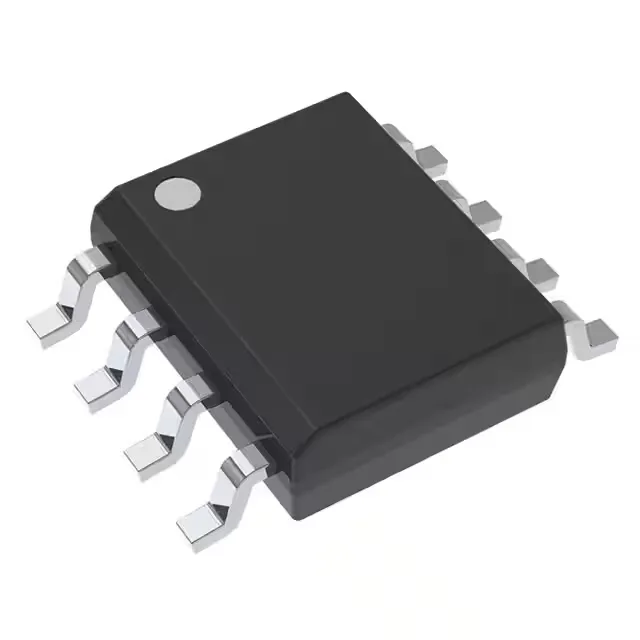
Texas Instruments TCAN4420DR — Logic ICs

TCAN4420DR CANbus Transceiver, 5 Mbps, 8-SOIC

MPNTCAN4420DR
Active

Texas Instruments TCAN4420DR CANbus transceiver, 5 Mbps data rate, 1/1 driver/receiver, 4.5V-5.5V supply, 200 mV receiver hysteresis, -40°C to 125°C, 8-SOIC package.

$2.8600Ref. price · indicative, final on quote
Independent supplier — new & surplus stockAuthenticity-screened · ESD-safe packingListing updated Jul 2026

Specifications

TCAN4420DR specifications
ParameterValue
TypeTransceiver
MountingSurface Mount
Supply voltage4.5V ~ 5.5V
ProtocolCANbus
Operating temperature-40°C~125°C
PackageTape & Reel (TR); Cut Tape (CT)
Data rate5Mbps
Case8-SOIC (0.154\", 3.90mm Width)
Receiver hysteresis200 mV
Number of drivers (Receivers)1/1

Product details

CAN FD transceiver for 5 Mbps bus lines

The TCAN4420DR is a single-channel CANbus transceiver from Texas Instruments that handles data rates up to 5 Mbps, making it suitable for CAN FD (flexible data-rate) networks where payload throughput exceeds the classical 1 Mbps limit.

5 Mbps data rate and noise margin

The 5 Mbps data rate supports CAN FD frames where the arbitration phase runs at 500 kbps or 1 Mbps and the data phase switches to a higher bit rate. The 200 mV receiver hysteresis provides a clean logic transition on the RXD output even when the differential bus signal carries common-mode noise or reflections from unterminated stubs — useful when the physical layer runs through a vehicle harness or a factory-floor cable tray.

Frequently asked questions

What is the TCAN4420DR data rate?

The TCAN4420DR supports data rates up to 5 Mbps, covering both classical CAN and CAN FD frames.

Does the TCAN4420DR have a pin-compatible alternative?

The TCAN4420DR is a base-number part in the TCAN4420 family. For a second-source or drop-in alternate, compare the SN65HVD230 — both are 5 V CAN transceivers in 8-SOIC, though the SN65HVD230 is limited to 1 Mbps and lacks CAN FD support. Verify the pinout and bus-fault ratings against your specific layout before substituting.