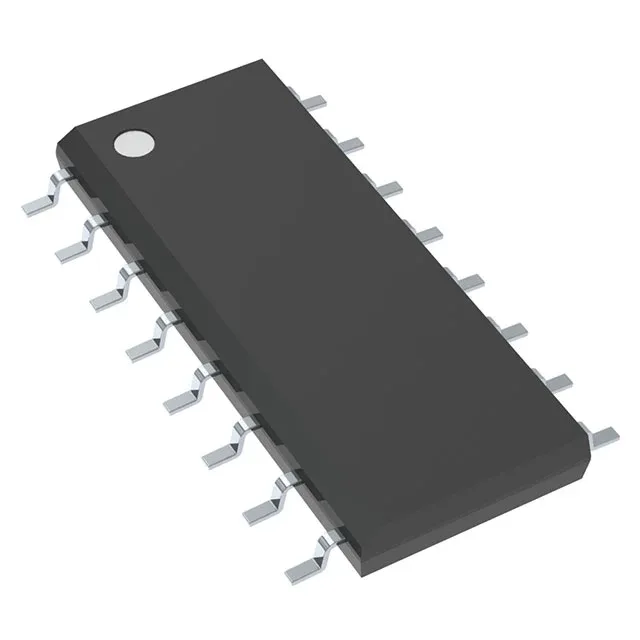
It handles point-to-point serial links at data rates up to 155 Mbps, making it a fit for high-speed backplane interconnects, camera links, and display interfaces where low-voltage differential signaling keeps EMI under control.
Any remaining inventory is new-old-stock or surplus, which is where independent distribution steps in. If your BOM still calls out this exact order code, the practical path is sourcing through the broker/surplus channel against an RFQ — we can quote available units on request. For a production design still in the early phase, the smarter move is to qualify a replacement before the remaining surplus dries up.
Full-duplex 2/2 configuration — bus topology matters
With two independent driver/receiver pairs, this transceiver supports two simultaneous full-duplex links in one package. Each driver drives a differential pair; each receiver picks off the opposite end. The 155 Mbps data rate is the raw bit clock — at that speed, stub lengths and PCB trace impedance control become critical. Keep the differential pair impedance matched to 100 Ω and route the traces as short as practical to avoid signal-integrity headaches at the receiver input.
Supply and temperature — the deployment envelope
No external LDO needed if your board already has a clean 3.3V supply. If your system sees -40°C or +85°C ambient, this is the wrong temperature grade.