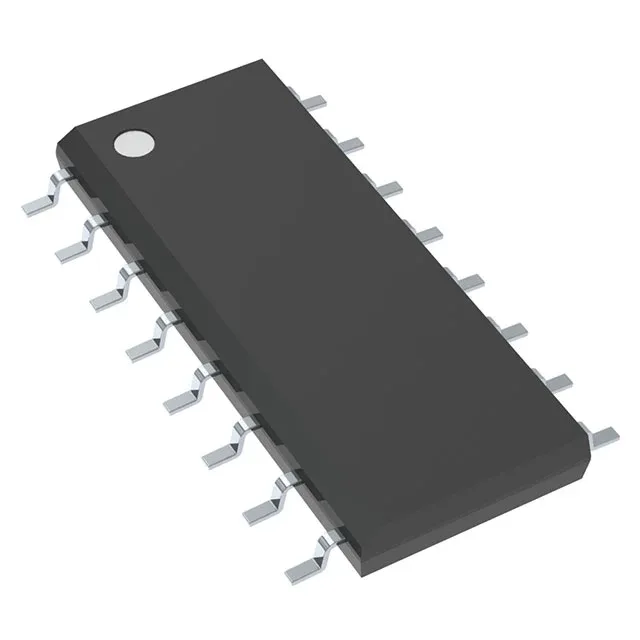
Texas Instruments SN75LVDS050DR — Interface & Transceivers

SN75LVDS050DR LVDS Transceiver, 155 Mbps, 16-SOIC, Obsolete

MPNSN75LVDS050DR
Obsolete

Texas Instruments SN75LVDS050DR, LVDS Transceiver, Full Duplex, 155Mbps, 2/2 Drivers/Receivers, 3V~3.6V, 0°C~70°C, 16-SOIC.

Sourced new & surplus through independent channelsAuthenticity-screened · ESD-safe packingListing updated Jul 2026

Specifications

SN75LVDS050DR specifications
ParameterValue
TypeTransceiver
MountingSurface Mount
Voltage3V ~ 3.6V
ProtocolLVDS
Operating temperature0°C~70°C
DuplexFull
PackageTape & Reel (TR)
Data rate155Mbps
Case16-SOIC (0.154\", 3.90mm Width)
Number of drivers (Receivers)2/2

Product details

The TI SN75LVDS050DR is a full-duplex LVDS transceiver in a 16-SOIC package, rated for 155 Mbps per channel with two drivers and two receivers on-chip. The 155 Mbps data rate supports high-speed point-to-point or multidrop links typical in video distribution, backplane interconnects, and industrial camera interfaces where LVDS signaling keeps EMI low and signal integrity high over twisted-pair or PCB traces.

The SN75LVDS050DR is marked obsolete by TI. Any new design requiring an LVDS transceiver in a 16-SOIC footprint should evaluate current-generation parts from TI or other vendors for long-term supply assurance.

2/2 driver/receiver count and supply rail

Two full-duplex channels mean the part can handle two independent LVDS links simultaneously, each with its own driver and receiver. The 16-SOIC narrow-body package (3.90 mm width) is a common footprint; verify the land pattern against your existing layout if replacing another part in the same package.

Frequently asked questions

What is the replacement for SN75LVDS050DR?

No official replacement is listed in the record. For a pin-compatible alternative, check TI's current LVDS transceiver portfolio in the 16-SOIC package, such as the SN65LVDS050 series, but verify supply voltage and temperature range compatibility before substitution.

Can SN75LVDS050DR be used in 3.3V systems?

Yes, the supply voltage range of 3V to 3.6V covers 3.3V rails directly, so no additional regulation is needed for the transceiver itself.