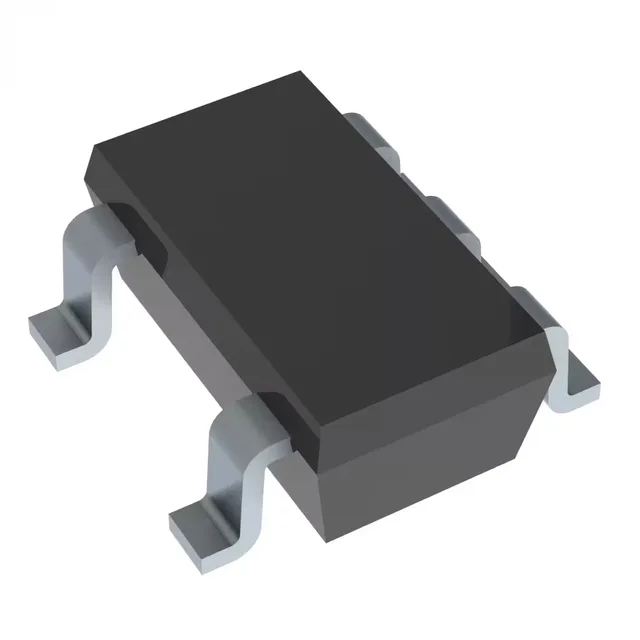
Texas Instruments SN74LVC1G07QDBVRQ1 — Interface & Transceivers

SN74LVC1G07QDBVRQ1 Buffer, Open Drain, AEC-Q100, SOT-23-5

MPNSN74LVC1G07QDBVRQ1
Active

Texas Instruments Automotive, AEC-Q100, 74LVC series, SN74LVC1G07QDBVRQ1, Buffer Non-Inverting, Open Drain, 1.65V ~ 5.5V, -40°C ~ 125°C, SOT-23-5.

$0.5100Ref. price · indicative, final on quote
Independent supplier — new & surplus stockAuthenticity-screened · ESD-safe packingListing updated Aug 2026

Specifications

SN74LVC1G07QDBVRQ1 specifications
ParameterValue
SeriesAutomotive, AEC-Q100, 74LVC
Logic typeBuffer, Non-Inverting
Output typeOpen Drain
MountingSurface Mount
Supply voltage1.65V ~ 5.5V
Current - output high, low-, 32mA
Operating temperature-40°C~125°C(TA)
PackageTape & Reel (TR); Cut Tape (CT)
CaseSC-74A, SOT-753
Number of elements1
Number of bits per element1

Product details

Why the Q variant exists

The supply rail spans 1.65V to 5.5V, so it bridges a 1.8V MCU GPIO to a 3.3V or 5V load without a second translator.

The output is open-drain: it can only pull low. The 32mA sink capability is the current it will pass when the output is low (V_OL), so it drives a relay coil, a status LED, or pulls an interrupt line low. No high output current is specified because there is no internal pull-up — the output transistor simply turns off and the pin goes high-impedance.

SOT-23-5 footprint and line-feed

The package is SOT-23-5 (SC-74A, SOT-753). Five pins, 2.9mm x 1.6mm body, 0.95mm pitch.

For a new automotive design this is a safe choice — no near-term obsolescence risk.

Frequently asked questions

Is SN74LVC1G07QDBVRQ1 automotive grade?

Yes. It is part of the Automotive, AEC-Q100 series, qualified for automotive applications.

What is the difference between SN74LVC1G07QDBVRQ1 and SN74LVC1G07?

Functionally they are identical — same open-drain buffer, same 1.65V to 5.5V supply, same 32mA sink capability, same SOT-23-5 footprint.

What is the output current of SN74LVC1G07QDBVRQ1?

The output can sink 32mA when low. There is no high output current because the output is open-drain — it only pulls low. An external pull-up resistor is required to drive the output high.