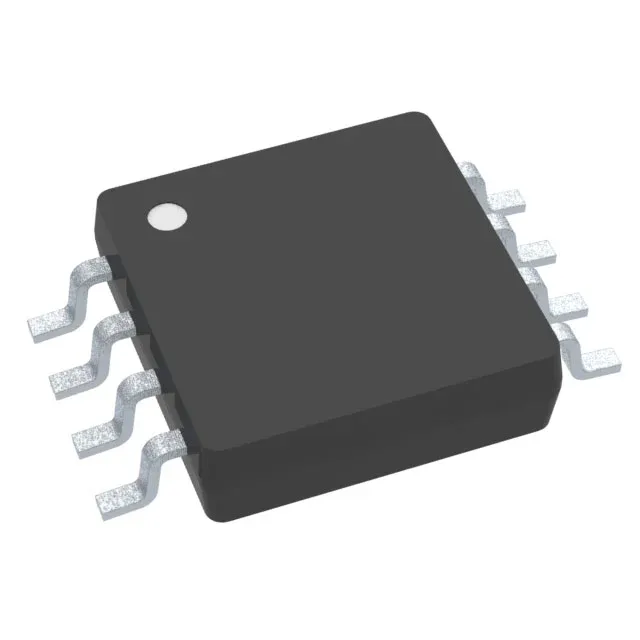
RS-485 transceiver for 5 V industrial buses
If your UART or controller is 3.3 V only, the logic inputs may not reliably see a high level from a 3.3 V output — the VIH threshold on the driver inputs is typically 2.0 V, but the receiver outputs swing rail-to-rail, so a 3.3 V MCU reading the RO pin needs a level shifter or a 5 V-tolerant input. For pure 5 V systems the interface is direct.
10 Mbps — cable length and signal integrity budget
At 10 Mbps the rise time is fast enough that stub length and termination matter. For a 10 Mbps link, keep the stub from the transceiver to the bus connector under 30 cm and place a 120 Ω termination resistor at each end of the cable. The 30 mV receiver hysteresis gives about 600 mV of noise margin on a 5 V differential bus, which handles typical ground shifts in industrial environments. If your cable run exceeds 100 m at this data rate, expect to drop to a lower baud rate — the RS-485 standard trades speed for distance.
TI lists the SN65HVD485EDGKG4 as Active.