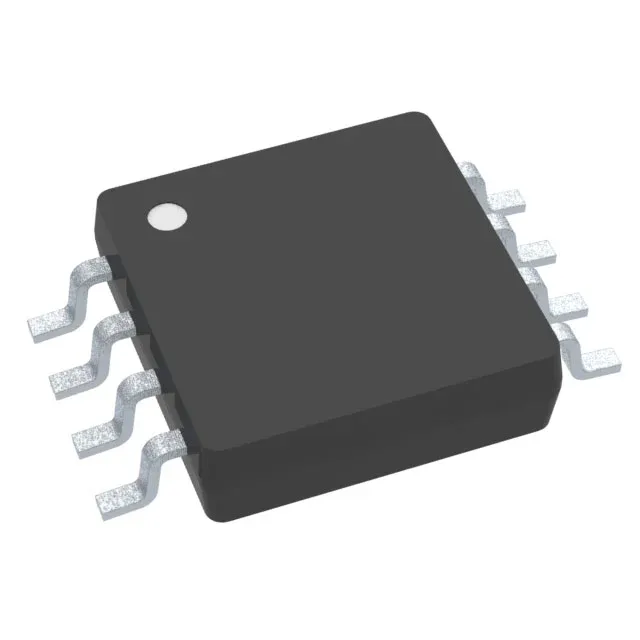
The 30 mV of receiver hysteresis helps the bus stay clean on long cable runs where ground offset and reflections eat into noise margin.
TI has marked the SN65HVD3088EDGK as Last Buy. That means the manufacturer has stopped taking regular orders and is fulfilling a final purchase window. Once that window closes, the part is gone from the factory channel. For a production line that already qualifies this transceiver, the immediate question is whether you have enough units to cover the remaining build, or whether you need to qualify a replacement. The 8-VSSOP footprint is shared across the SN65HVD3088 family, so a pin-compatible sibling within that series is the natural first look.
20 Mbps and the bus budget
At 20 Mbps the SN65HVD3088EDGK is a high-speed RS-485 part. That data rate shortens the maximum cable length compared to slower transceivers — expect reliable links up to a few hundred metres, not kilometres. The half-duplex topology means you need software or hardware direction control on the driver enable. The 30 mV hysteresis is a real advantage here: on a fast bus with stub reflections, that extra noise margin keeps the receiver from toggling on ringing. If your application runs at 250 kbps or 1 Mbps, this part still works, but a slower slew-rate-limited variant might give lower EMI without any performance penalty.