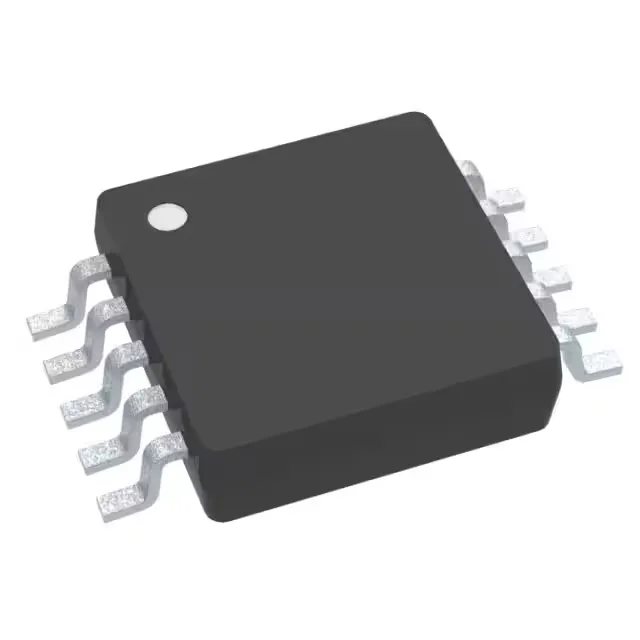
Full-duplex RS-485 transceiver at 50 Mbps — what the 3V rail and 125°C rating mean
It drives and receives differential signals on a balanced bus at data rates up to 50 Mbps, with the receiver including 70 mV of hysteresis to suppress noise-induced chatter on long or electrically noisy cable runs.
50 Mbps and 70 mV hysteresis — the edge-rate and noise-margin trade-offs
At 50 Mbps the output edge rate is fast enough that PCB layout matters — keep the differential trace pair tightly coupled and the stub length to the connector under 25 mm. The 70 mV receiver hysteresis gives a clean logic output on a bus with a few hundred millivolts of common-mode noise, which is typical in factory-floor RS-485 drops. If your bus runs at a lower data rate (say 10 Mbps or below), a slew-rate-limited transceiver might reduce EMI, but at 50 Mbps you want the full edge rate for timing margin.