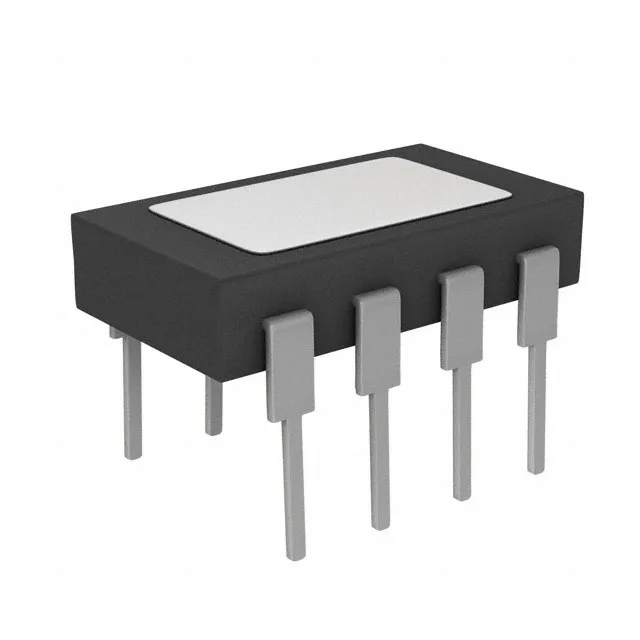
Hermetic RS-485 transceiver for extreme temperatures
What sets this part apart is its operating temperature range: -55°C to 210°C, making it one of the few off-the-shelf interface ICs rated for continuous use well above standard industrial or even military limits.
210°C rating — where it fits
A 210°C junction temperature is not a typo. This part is built for downhole drilling instrumentation, turbine engine electronics, satellite thruster control, and other environments where the ambient air around the board hits 200°C or more. The hermetic CDIP package keeps moisture and contaminants out, and the silicon is processed to survive the thermal stress. At those temperatures, most plastic-packaged RS-485 parts have already failed or derated to zero. The SN65HVD11SJD keeps talking.
Receiver hysteresis and noise margin
The receiver includes 41 mV of hysteresis, which cleans up slow edges or noisy bus lines common in long cable runs. In a high-temperature, high-vibration environment, that hysteresis buys you a solid noise margin without external filtering.
Through-hole CDIP — field-service friendly
The through-hole 8-CDIP package is socketable. If this part lives in a high-reliability system that gets field-repaired, you can swap it with a standard IC extractor — no hot air, no reflow profile. Keep a few in the kit.
Active lifecycle, no LTB worry
TI lists the SN65HVD11SJD as Active. For a niche hermetic part, that is a relief — these are not commodity devices, and once they go EOL the remaining stock gets expensive fast. Right now it is a normal production item.