The 70 mV of receiver hysteresis scrubs noise on long cable runs — the kind of margin you want when the bus runs past a VFD or a welder.
250 kbps vs 20 Mbps — picking the right data rate for the run
The dual data-rate spec isn't a marketing flex — it reflects two real deployment modes. At 250 kbps, the slew-limited output reduces EMI and reflections, letting you push the bus out past a thousand feet with minimal termination fuss. At 20 Mbps, you're in short-stub territory: backplane links, high-speed sensor arrays, or PLC-to-drive connections within a cabinet. The half-duplex nature means you need a single twisted pair and a direction-control signal on the driver enable — nothing exotic, but the enable timing matters at 20 Mbps because the bus turnaround window shrinks.
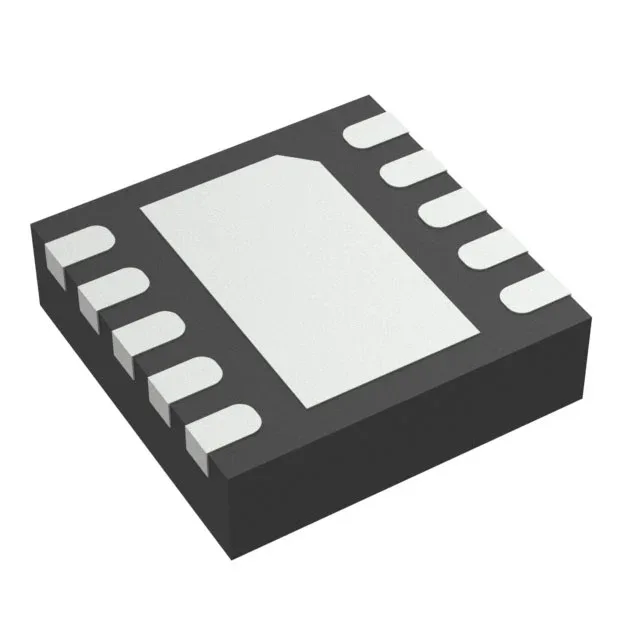
Industrial temp and the exposed-pad package
That 125°C upper limit is the junction temperature, not just ambient — so if you're running hot near a heatsink or inside a sealed enclosure, the part has headroom before it starts dropping bits.
Active — no LTB rush
No obsolesence notice, no last-time-buy deadline to work around.