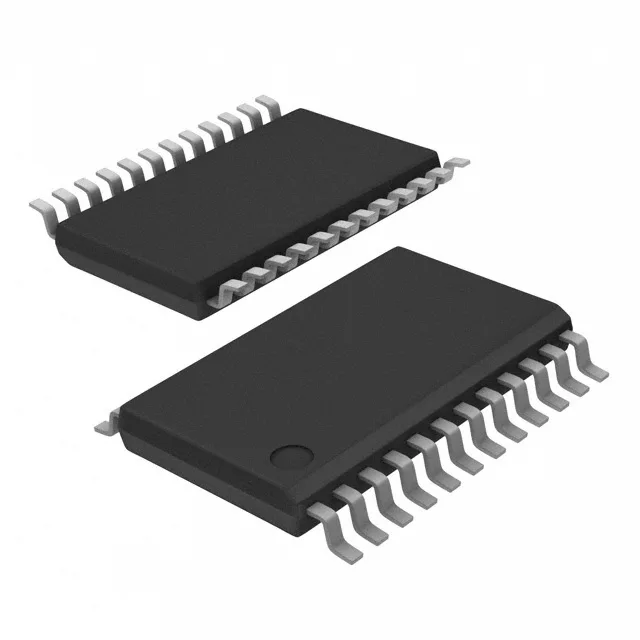
Where it fits — energy metering, instrumentation, and sensor conditioning
The 24-bit ADC targets applications that require high-resolution measurement of low-level analog signals: single-phase energy metering, weigh scales, strain-gauge bridges, thermocouple or RTD conditioning, and portable instrumentation. The 11 general-purpose I/Os, SPI and UART/USART connectivity, and internal oscillator keep the external BOM lean for a sensor-to-communication chain.
Lifecycle alert — conflicting signals; verify before committing
The part carries an EOL/hot lifecycle flag, which typically means the manufacturer has issued a discontinuation notice and the last-time-buy window is open or closing. However, the supplier device status is listed as Active. This discrepancy is a red flag for any BOM line: a sourcing buyer must confirm the real production status with the manufacturer or a trusted distributor before freezing a design or placing a volume order. If the part is genuinely EOL, the 24-TSSOP footprint and MSP430F2xx architecture may have a pin-compatible successor in the MSP430AFE2xx family — check the base product number MSP430AFE221 for official cross-references.
12 MHz CPU — enough for the ADC, not for heavy control
The 12 MHz core speed is modest. It is sufficient to manage the 24-bit ADC conversions, process the digital results, and communicate over SPI or UART at moderate data rates. But it will not sustain high-speed control loops, heavy protocol stacks, or graphical user interfaces. The MSP430AFE221IPWR is a measurement engine, not a general-purpose application processor — size the BOM accordingly.