RS-232 link in a 20-TSSOP footprint
Receiver hysteresis is specified at 300 mV.
There is no last-time-buy deadline or NRND flag, so it can be designed into new production runs without worrying about an imminent EOL notice.
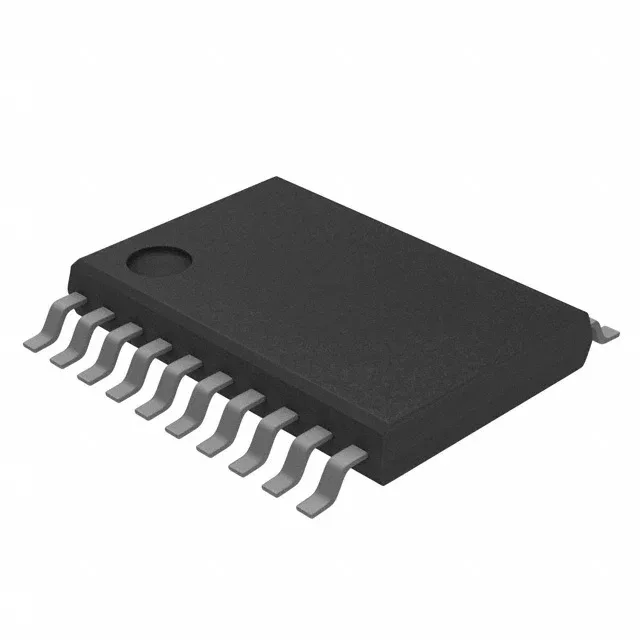
Texas Instruments MAX3222IPWG4, RS-232 transceiver, full duplex, 2/2 drivers/receivers, 250 kbps data rate, 3V–5.5V supply, 20-TSSOP package, -40°C to 85°C operating temperature.
| Parameter | Value |
|---|---|
| Type | Transceiver |
| Mounting | Surface Mount |
| Supply voltage | 3V ~ 5.5V |
| Protocol | RS232 |
| Operating temperature | -40°C~85°C |
| Duplex | Full |
| Package | Bulk |
| Data rate | 250kbps |
| Case | 20-TSSOP (0.173\", 4.40mm Width) |
| Receiver hysteresis | 300 mV |
| Number of drivers (Receivers) | 2/2 |
Receiver hysteresis is specified at 300 mV.
There is no last-time-buy deadline or NRND flag, so it can be designed into new production runs without worrying about an imminent EOL notice.
Buyers need to verify fit, pinout, and electrical specs before placing an order, so datasheet access directly influences conversion.
Pricing is a top decision factor for sourcing buyers and engineers finalizing BOM costs.
Transactional buyers need a direct purchase link with stock availability to complete the sale.
Immediate availability drives urgency and affects distributor choice for lead-time-sensitive orders.
Engineers compare alternatives for design flexibility or to avoid obsolescence, impacting long-term sourcing decisions.
Hardware designers and repair techs need pinout diagrams to ensure PCB compatibility and correct connections.