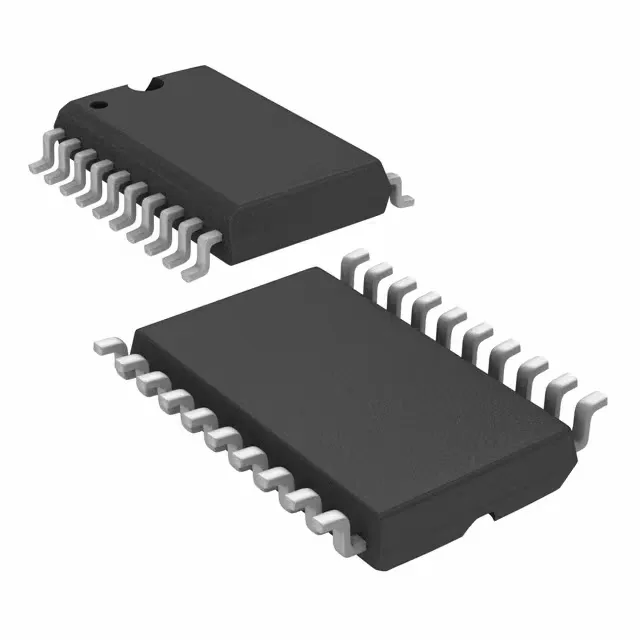
Texas Instruments MAX3222CDWRE4 — Interface & Transceivers

MAX3222CDWRE4 RS-232 Transceiver, 250 kbps, 3V-5.5V

MPNMAX3222CDWRE4
End of Life

Texas Instruments MAX3222CDWRE4 RS-232 transceiver, full-duplex, 2/2 drivers/receivers, 250 kbps data rate, 3V to 5.5V supply, 20-SOIC wide package, 0°C to 70°C operating temperature.

Independent supplier — new & surplus stockAuthenticity-screened · ESD-safe packingListing updated Aug 2026

Specifications

MAX3222CDWRE4 specifications
ParameterValue
TypeTransceiver
MountingSurface Mount
Supply voltage3V ~ 5.5V
ProtocolRS232
Operating temperature0°C~70°C
DuplexFull
PackageTape & Reel (TR)
Data rate250kbps
Case20-SOIC (0.295\", 7.50mm Width)
Receiver hysteresis300 mV
Number of drivers (Receivers)2/2

Product details

RS-232 transceiver with 250 kbps and wide supply range

It handles serial data at rates up to 250 kbps and operates from a 3V to 5.5V supply, making it a straightforward fit for 3.3V or 5V UART interfaces in equipment like point-of-sale terminals, data-entry devices, and serial-port adapters.

Commercial temperature grade limits deployment scope

Receiver hysteresis of 300 mV for noise rejection

The receiver inputs include 300 mV of hysteresis, which helps reject noise on longer RS-232 cable runs. This is a practical margin for maintaining clean data edges when the cable picks up coupled interference from nearby switching supplies or motor drives.

Frequently asked questions

Is MAX3222CDWRE4 a direct replacement for MAX3222CDWR?

The MAX3222CDWRE4 is functionally identical to the MAX3222CDWR — same RS-232 transceiver, same 2/2 driver/receiver count, same 250 kbps data rate, same 20-SOIC package. The '' suffix indicates a lead-free (RoHS) finish variant from Texas Instruments. It is a drop-in replacement for the non- version on existing boards.

Is MAX3222CDWRE4 compatible with 3.3V logic?

Yes. With a supply range of 3V to 5.5V, the MAX3222CDWRE4 operates directly from a 3.3V rail. The logic inputs and outputs are compatible with 3.3V CMOS levels, so it interfaces cleanly with 3.3V microcontrollers and FPGAs without external level shifters.