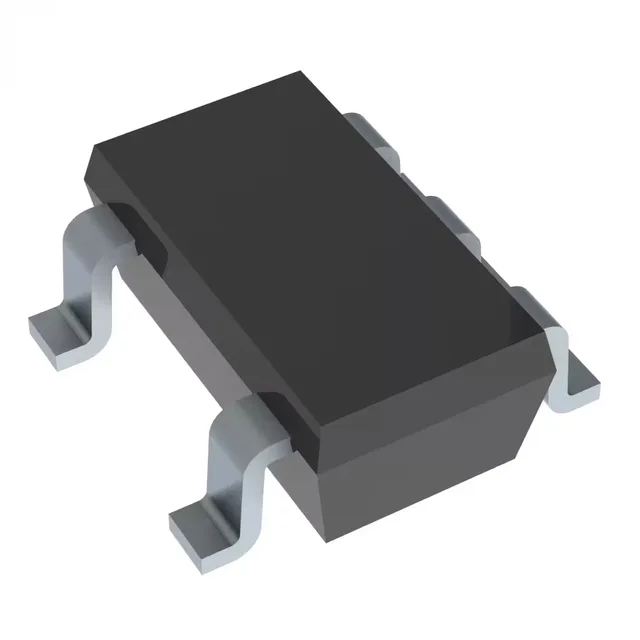
Texas Instruments LP2980IM5-2.9/NOPB — Analog & Data Acquisition

LP2980IM5-2.9/NOPB LDO Regulator, 2.9V Fixed, 50mA, SOT-23-5

MPNLP2980IM5-2.9/NOPB
Obsolete

Texas Instruments LP2980IM5-2.9/NOPB, LDO regulator, fixed 2.9V output, 50mA, 0.22V dropout max, 95µA quiescent, 63dB PSRR at 1kHz, SOT-23-5, -40°C to 125°C.

Independent supplier — new & surplus stockAuthenticity-screened · ESD-safe packingListing updated Jul 2026

Specifications

LP2980IM5-2.9/NOPB specifications
ParameterValue
Output typeFixed
MountingSurface Mount
Voltage - input16V
Voltage dropout0.22V @ 50mA
Voltage - output (Min (Fixed))2.9V
Output current50mA
Current - supply1.2 mA
Current - quiescent95 µA
Operating temperature-40°C~125°C
PSRR63dB (1kHz)
PackageTape & Reel (TR)
CaseSC-74A, SOT-753
Control featuresEnable
Protection featuresOver Current, Over Temperature, Short Circuit
Number of regulators1
Output configurationPositive

Product details

This LDO delivers 63 dB of PSRR at 1 kHz — a solid figure for cleaning up switching-regulator ripple feeding a 2.9V analog rail. The 0.22 V max dropout at 50 mA means the input can sit as low as 3.12 V and still hold regulation. For a 3.3 V bus with a 0.4 V drop budget, that works; below that, the headroom vanishes. Quiescent current is 95 µA typical. That is not the lowest in the 50 mA class, but it keeps the always-on draw manageable for battery-powered equipment that does not spend most of its time in deep sleep.

Housed in a SOT-23-5 (SC-74A) package, surface-mount, with an Enable pin for on/off control.

Frequently asked questions

Is LP2980IM5-2.9/NOPB obsolete?

Yes, Texas Instruments lists the LP2980IM5-2.9/NOPB as Obsolete. No official replacement or successor part number has been published.

What is the difference between LP2980IM5-2.9/NOPB and LP2980IM5-3.0?

The only difference is the fixed output voltage: 2.9 V for this part versus 3.0 V for the LP2980IM5-3.0. All other ratings — 50 mA output, 0.22 V dropout, 95 µA quiescent current, SOT-23-5 package — are identical. Both are obsolete.