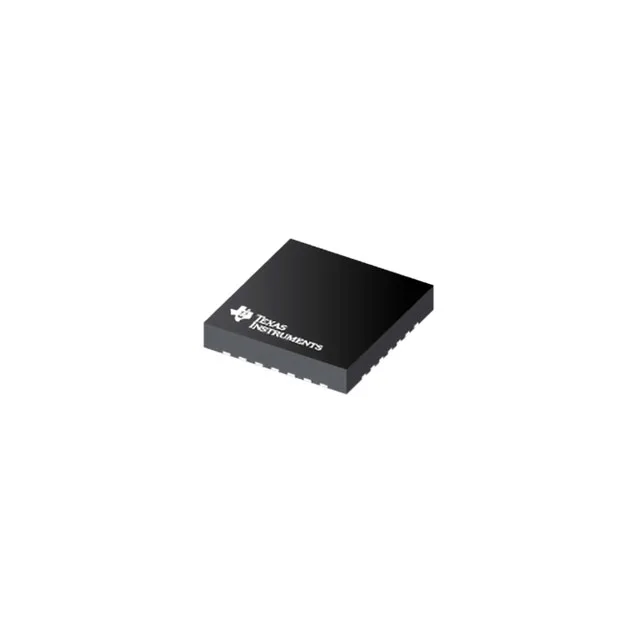
Texas Instruments LMK1D1208RHDT — Clock & Timing ICs

LMK1D1208RHDT Clock Buffer, 2 GHz, LVDS Output, 28-VQFN

MPNLMK1D1208RHDT
Active

Texas Instruments LMK1D1208RHDT, Clock Buffer, 2:8 fanout, 2 GHz max, LVDS output, 1.71V–3.465V supply, -40°C to 105°C, 28-VFQFN Exposed Pad.

$10.8900Ref. price · indicative, final on quote
Sourced new & surplus through independent channelsAuthenticity-screened · ESD-safe packingListing updated Aug 2026

Specifications

LMK1D1208RHDT specifications
ParameterValue
TypeClock Buffer
MountingSurface Mount
Voltage1.71V ~ 1.89V, 2.375V ~ 2.625V, 3.135V ~ 3.465V
Frequency2 GHz
Operating temperature-40°C ~ 105°C (TA)
InputHCSL, LVCMOS, LVDS, LVPECL
OutputLVDS
PackageTape & Reel (TR) Cut Tape (CT)
Case28-VFQFN Exposed Pad
Number of circuits1
Ratio - Input:Output2:8
Differential - Input:OutputYes/Yes

Product details

2 GHz fanout buffer for high-speed clock trees

The LMK1D1208RHDT is a 2:8 differential clock buffer from Texas Instruments, accepting HCSL, LVCMOS, LVDS, or LVPECL inputs and delivering eight LVDS outputs at up to 2 GHz. It operates from any of three supply rails — 1.8V, 2.5V, or 3.3V nominal — so it can drop into existing power domains without a dedicated regulator.

The 2 GHz max frequency covers reference clocks for PCIe Gen5 and other high-speed interfaces. The 2:8 ratio means two independent input clocks each fan out to four outputs, or one input fans to all eight if the second input is unused. All input-output paths are fully differential, so the part preserves signal integrity on long PCB traces without extra conditioning. The three supply ranges cover 1.8V, 2.5V, and 3.3V logic families — confirm which rail your system already carries before adding a regulator.

Package and thermal: the exposed pad is not optional

If the board layout omits thermal vias under that pad, the junction temperature rises faster than the datasheet derating curve assumes — especially at 105°C ambient.

Frequently asked questions

How many outputs does LMK1D1208RHDT have?

The 2:8 ratio provides eight LVDS outputs. Two independent input clocks can each drive four outputs, or one input can drive all eight if the second input is left floating.