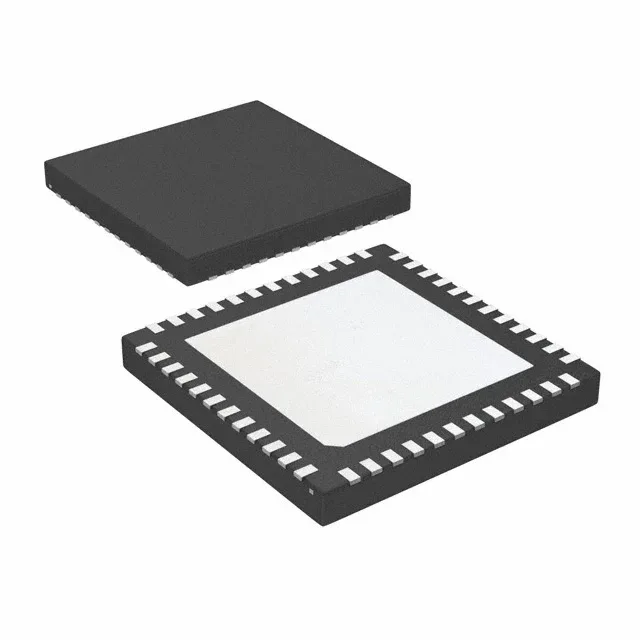
Texas Instruments LMK04010BISQE/NOPB — Clock & Timing ICs

LMK04010BISQE/NOPB Clock Conditioner, PLL, 1.296 GHz

MPNLMK04010BISQE/NOPB
Active

Texas Instruments LMK04010BISQE/NOPB Clock Conditioner, PLL-based, 1.296 GHz max frequency, LVCMOS/LVDS/LVPECL inputs, 2VPECL/LVPECL outputs, 48-WQFN (7x7), -40°C to 85°C.

$19.2648Ref. price · indicative, final on quote
Sourced new & surplus through independent channelsAuthenticity-screened · ESD-safe packingListing updated Aug 2026

Specifications

LMK04010BISQE/NOPB specifications
ParameterValue
TypeClock Conditioner
MountingSurface Mount
Voltage3.15V ~ 3.45V
Frequency1.296GHz
Operating temperature-40°C~85°C
PLLYes
InputLVCMOS, LVDS, LVPECL
Output2VPECL, LVPECL
PackageTape & Reel (TR); Cut Tape (CT)
Case48-WFQFN Exposed Pad
Divider (Multiplier)Yes/Yes
Number of circuits1
Ratio - Input:Output2:5
Differential - Input:OutputYes/Yes

Product details

PLL clock conditioner for high-frequency timing chains

The Texas Instruments LMK04010BISQE/NOPB is a PLL-based clock conditioner designed to clean up jitter on reference clocks and generate low-phase-noise output frequencies up to 1.296 GHz.

Input flexibility and supply rail

The part accepts three common input formats — LVCMOS, LVDS, and LVPECL — so it can sit behind a crystal oscillator, an FPGA output, or a previous-stage clock buffer without external level shifters. The supply range is 3.15 V to 3.45 V, a tight window that demands a clean 3.3 V rail with adequate decoupling at the 48-WFQFN exposed pad. With a 2:5 input-to-output ratio, the conditioner can fan out one or two reference clocks to five conditioned outputs, each differential and capable of driving 50-ohm terminated lines directly.

Frequently asked questions

Does LMK04010BISQE/NOPB support LVDS input?

Yes, the LMK04010BISQE/NOPB accepts LVDS input, along with LVCMOS and LVPECL. This lets it interface directly with common FPGA and oscillator outputs without external translation.

What are the alternatives to LMK04010BISQE/NOPB?

The LMK04011 is the closest sibling in the same family, offering a similar PLL-based clock conditioner function. Pin compatibility and parametric differences should be verified against the application's frequency plan and output format requirements before substitution.