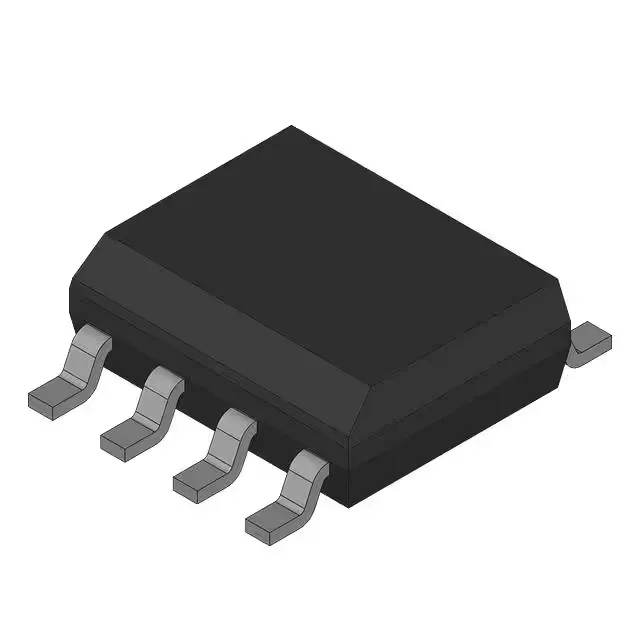
Texas Instruments LMH6654MA — Memory (DRAM / SRAM / Flash / EEPROM)

LMH6654MA Video Amplifier, Active, Single-Supply, Bipolar

MPNLMH6654MA
End of Life

National Semiconductor (TI) LMH6654MA, single-supply video amplifier, 1 function, bipolar process, Bulk package.

$0.54Ref. price · indicative, final on quote
StockContact for availability
MOQ1 pcs
  • 100% new & originalTraceable channels only — no refurbs, no pulls, no remarked parts.
  • Date & lot codes on quoteStated per line before you commit; label photos on request.
  • MSL-compliant ESD packingMoisture-sealed bags with indicator cards; reels photo-verified.
  • PayPal buyer protectionPay by T/T, PayPal or Payoneer — card payments covered end to end.

Specifications

LMH6654MA Technical Specifications
ParameterValue
Series*
PackageBulk

Product details

What this part is and where it fits

The LMH6654MA is a single-supply video amplifier built on a bipolar process, designed for one function — amplifying video signals in imaging, surveillance, or broadcast video chains. Its single-supply operation simplifies the power rail in mixed-signal boards where a negative supply isn't available. The bipolar process gives it the bandwidth and slew rate needed to pass composite or component video without visible roll-off.

Package and rework — Bulk delivery, SOIC footprint

Shipped in Bulk (tubes or trays, not tape-and-reel). That matters for the assembly house: if your line is set up for reels, you will need tube feeders or a tray handler. The SOIC-8 package is a standard rework-friendly footprint — pin 1 is clearly marked, and the thermal mass is low enough that a hot-air station can lift it without cooking adjacent passives. Will it survive the hot air? Yes, with standard preheat.

Frequently asked questions

What is the bandwidth of LMH6654MA?

The LMH6654MA is a video amplifier; its bandwidth is specified in the datasheet for composite and component video signals. The exact bandwidth figure is not in this listing, but the bipolar process supports the gain-bandwidth needed for standard-definition video paths.