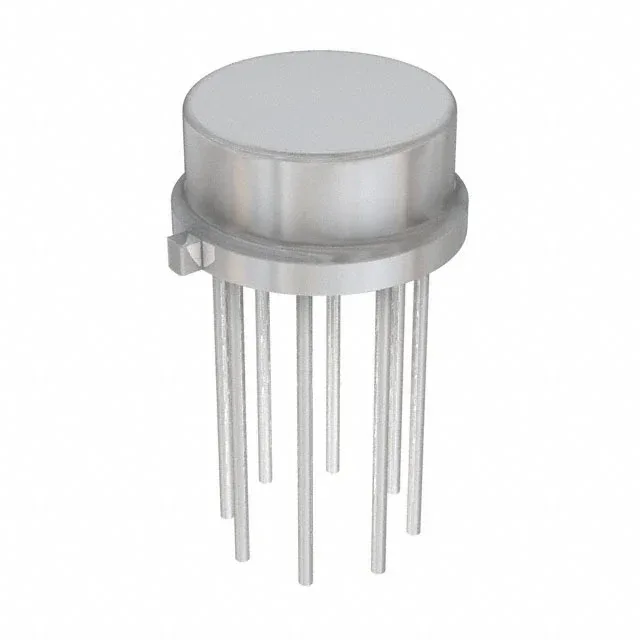
Texas Instruments LM358H/NOPB — Analog & Data Acquisition

LM358H/NOPB General Purpose Op-Amp, TO-99-8, 1 MHz

MPNLM358H/NOPB
Active

Texas Instruments LM358H/NOPB, General Purpose Amplifier, 2 Circuits, 1 MHz Gain Bandwidth, 2 mV Offset, 1 mA Supply, 3 V to 32 V Supply, 0°C to 70°C, Through Hole, TO-99-8 Metal Can.

$10.0600Ref. price · indicative, final on quote
PackagingTO-99-8 Metal Can
RoHSROHS3 Compliant
Independent supplier — new & surplus stockAuthenticity-screened · ESD-safe packingListing updated Aug 2026

Specifications

LM358H/NOPB specifications
ParameterValue
MountingThrough Hole
Amplifier typeGeneral Purpose
Voltage - input offset2 mV
Voltage - supply span32 V
Current - supply1mA
Current - input bias45 nA
Current - output (Channel)40 mA
Operating temperature0°C~70°C
Gain bandwidth product1 MHz
PackageBulk
CaseTO-99-8 Metal Can
Number of circuits2

Product details

What this TO-99-8 metal can op-amp is

It delivers a 1 MHz gain-bandwidth product, 2 mV typical input offset, and draws 1 mA supply current per amplifier. The supply range spans 3 V to 32 V, covering single-supply and split-rail designs.

Package and mounting — through-hole metal can

The TO-99-8 metal can is a through-hole package with eight leads arranged in a circular pattern. The metal case provides a hermetic seal, which is an advantage in humid or condensing environments where plastic packages can absorb moisture. Rework is straightforward with a soldering iron — the metal can has low thermal mass compared to a DIP, so it heats up fast.

It is RoHS3 compliant.

Frequently asked questions

What is the difference between LM358H/NOPB and LM358N?

The LM358N is the same dual op-amp in an 8-pin plastic DIP package, while the LM358H/NOPB uses a TO-99-8 metal can. The metal can offers a hermetic seal, making it more suitable for humid environments. Electrical specs are essentially identical.

Can I use LM358N instead of LM358H/NOPB?

Yes, the LM358N is a functional equivalent in a plastic DIP package. The pinout is the same, and the electrical specifications match. The trade-off is the plastic package's lower hermeticity — acceptable for dry indoor use, but the metal can is preferred where moisture resistance matters.