The 20A rating is the peak capability for the half-bridge output stage. For a brushed DC motor, that translates to stall-current handling on a 12V or 24V rail without immediate thermal shutdown.
Automotive temperature range and grade
The Automotive grade means the part has passed extended reliability stress tests.
PWM and SPI — what the interface choices buy you
PWM input is the straightforward way to control motor speed or position from an ECU or MCU timer output. The SPI port adds configurability: you can set the current-regulation level, adjust the dead time, read back fault flags (overcurrent, overtemperature, undervoltage), and change the drive mode without changing the hardware. That SPI diagnostic channel is what separates this driver from a plain PWM-input FET driver — it lets the system controller log faults and decide whether to retry or shut down, which matters for functional-safety architectures.
Package and mounting — wettable flank matters
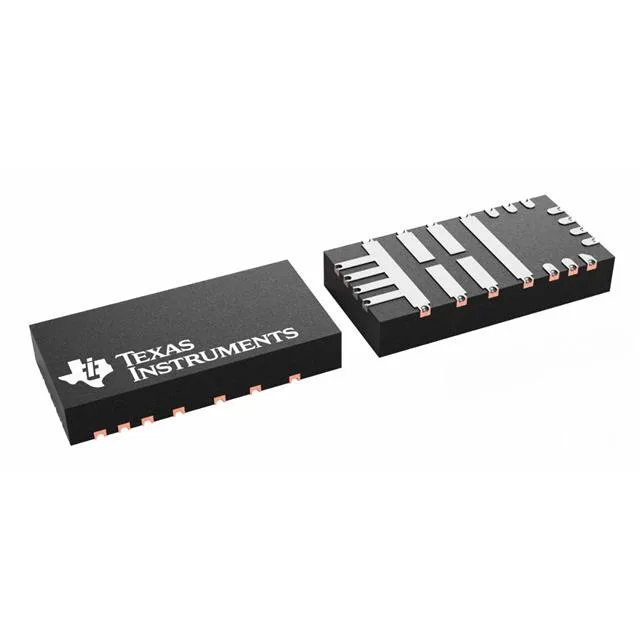
The 14-VFQFN package with wettable flank terminals is a surface-mount part designed for automated optical inspection (AOI). The wettable flank means the solder fillet climbs the side of the terminal, so a vision system can verify the joint — no X-ray required. That is a production-line advantage for automotive tier-1s that need process control on every board.