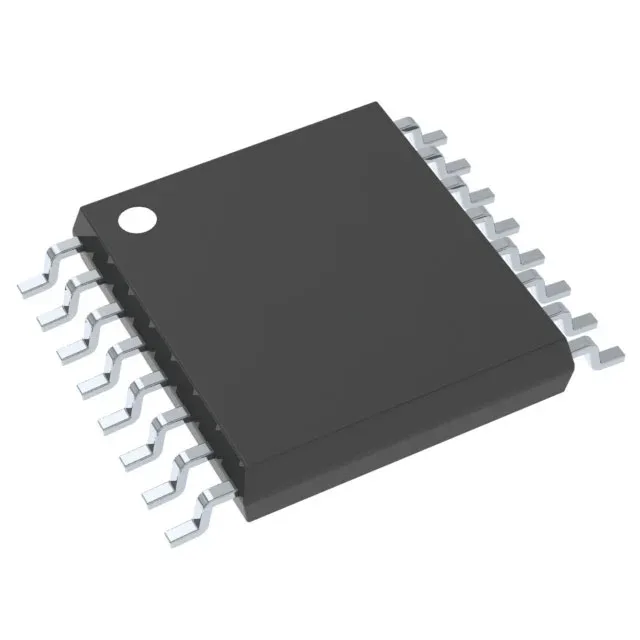
Texas Instruments CD4056BPW — Analog & Data Acquisition

CD4056BPW LCD 7-Segment Driver, 16-TSSOP, 3-18V

MPNCD4056BPW
End of Life

Texas Instruments CD4056BPW CMOS LCD 7-segment driver, BCD interface, 1 digit, 40 nA supply, 3V to 18V, 16-TSSOP, Tube.

$0.56Ref. price · indicative, final on quote
Packaging16-TSSOP (0.173", 4.40mm Width)
RoHSROHS3 Compliant
Independent supplier — new & surplus stockAuthenticity-screened · ESD-safe packingListing updated Aug 2026

Specifications

CD4056BPW specifications
ParameterValue
Display typeLCD
MountingSurface Mount
Supply voltage3V ~ 18V
Current - supply40 nA
InterfaceBCD
Operating temperature-55°C ~ 125°C
PackageTube
Configuration7 Segment
Case16-TSSOP (0.173\", 4.40mm Width)
Digits or characters1 Digit

Product details

16-TSSOP LCD driver with a 3-18V range

The CD4056BPW is a CMOS BCD-to-7-segment latch/decoder/driver designed specifically for LCD displays, packaged in a 16-TSSOP (4.40 mm width) for surface-mount assembly. It drives a single LCD digit from a 3V to 18V supply, drawing only 40 nA typical — low enough that the display driver's own consumption is negligible in battery-powered instruments.

The 40 nA supply current means the driver adds negligible load to the system supply — in a battery-backed data logger, the LCD driver's draw is below the self-discharge rate of the battery itself. The -55°C to 125°C operating range covers military and industrial temperature extremes — the same part works in an outdoor telecom cabinet and an engine-bay instrumentation pod without a grade change. The BCD interface accepts 4-bit binary-coded decimal input and latches it, so the microcontroller writes the digit once and the display holds without refresh overhead — freeing the MCU for other tasks.

Frequently asked questions

Will CD4056BPW drop into a board that was specified around CD74HCT4511E without rewiring?

No — the CD74HCT4511E is a through-hole (DIP) part driving LED displays, while the CD4056BPW is a surface-mount (16-TSSOP) LCD driver. The package, display type, and supply voltage differ, so a direct drop-in replacement is not possible without board changes.