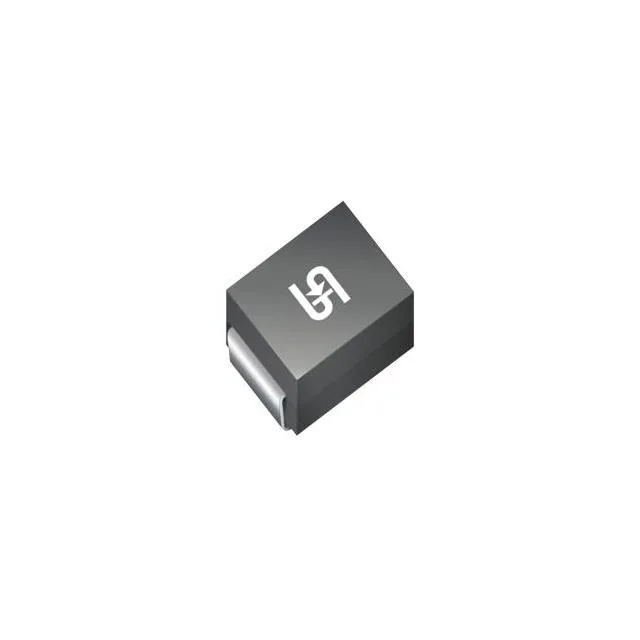
Taiwan Semiconductor Corporation 1.5SMC15CAH — Circuit Protection

1.5SMC15CAH TVS Diode, 1500W, Bidirectional, DO-214AB

MPN1.5SMC15CAH
Active

Taiwan Semiconductor 1.5SMC series bidirectional TVS diode, 1.5SMC15CAH, 1500W peak pulse power, 12.8V reverse standoff, 21.2V clamp, DO-214AB SMC package, AEC-Q101 automotive qualified.

$0.3113Ref. price · indicative, final on quote
Sourced new & surplus through independent channelsAuthenticity-screened · ESD-safe packingListing updated Aug 2026

Specifications

1.5SMC15CAH specifications
ParameterValue
TypeZener
Series1.5SMC
MountingSurface Mount
Voltage - breakdown14.3V
Voltage - clamping (Max) @ ipp21.2V
Voltage - reverse standoff12.8V
Current - peak pulse (10/1000μs)74A
Power - peak pulse1500W (1.5kW)
Power line protectionNo
Operating temperature-55°C ~ 150°C (TJ)
GradeAutomotive
PackageTape & Reel (TR)
ApplicationsTelecom
QualificationAEC-Q101
CaseDO-214AB, SMC
Bidirectional channels1

Product details

Active production with AEC-Q101 pedigree

The 1.5SMC15CAH is an active-production bidirectional TVS diode from Taiwan Semiconductor's 1.5SMC series, carrying AEC-Q101 qualification for automotive-grade reliability.

Surge ratings that define the rail protection

The 12.8V reverse standoff voltage means the device is effectively invisible to a 12V nominal rail — it only begins conducting when the transient exceeds the 14.3V minimum breakdown threshold. For a 12.8V rail carrying automotive battery voltage (which can swing to 14.4V during charging), the 12.8V standoff provides margin without nuisance clamping.

This range also suits telecom outdoor cabinets and industrial equipment where the enclosure sees direct solar load in summer. The part is explicitly listed for telecom applications, which typically involve lightning surge protection per ITU-T K.20/K.21 on line cards and base stations.

Frequently asked questions

What does AEC-Q101 qualification mean for this TVS diode?

AEC-Q101 is the automotive discrete semiconductor qualification standard. It certifies that the part has passed reliability stress tests including temperature cycling, high-temperature reverse bias, autoclave, and ESD sensitivity — and supports PPAP documentation that OEMs require for production programs. Without this grade, a part cannot be placed on an automotive BOM for a tier-1 supplier.