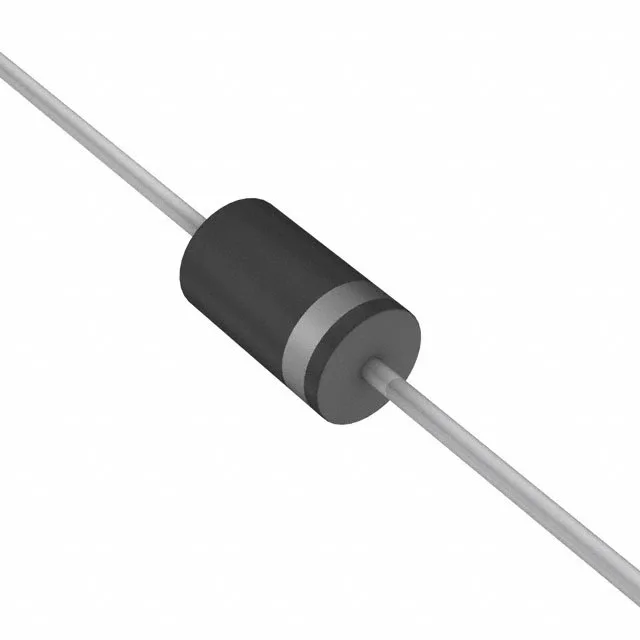
1.5kW bidirectional transient suppressor, AEC-Q101 qualified
The 1.5KE16CAHB0G: Its 13.6V reverse standoff voltage and 22.5V clamping point at 70A peak pulse current make it a fit for 12V automotive rail protection where the nominal bus sits at 13.6V or below. AEC-Q101 qualification confirms the device meets automotive-grade stress and reliability screening — junction temperature range from -55°C to 175°C covers under-hood and engine-bay thermal profiles without derating the 1.5kW pulse capability.
Clamping voltage and pulse current — what the ratings mean for the BOM
For a 12V nominal rail with a 36V abs-max input rating on the downstream regulator, this clamp leaves 13.5V of headroom — sufficient for most automotive load-dump and inductive kick scenarios without triggering the regulator's overvoltage shutdown. The 15.2V minimum breakdown voltage sets the threshold where the device begins to conduct. Below that, the TVS presents high impedance and draws negligible leakage. The 13.6V standoff rating is the maximum DC voltage the diode can withstand without conducting — a 12V battery at full charge (12.8V) stays below this threshold, so the TVS does not load the bus during normal operation. Power line protection is marked 'No', meaning this device is not optimized for continuous overvoltage or AC mains clamping — it is a transient suppressor, not a crowbar or a voltage clamp for sustained faults. The single bidirectional channel protects one signal or power pair per device, simplifying layout for differential or floating lines.
DO-201 axial package — board integration and thermal path
Supplier device package is DO-201, which is the standard JEDEC designation for this axial TVS footprint. The bulk packaging means the parts ship loose in tubes or bags — no tape-and-reel, so pick-and-place requires manual or tube-fed insertion.