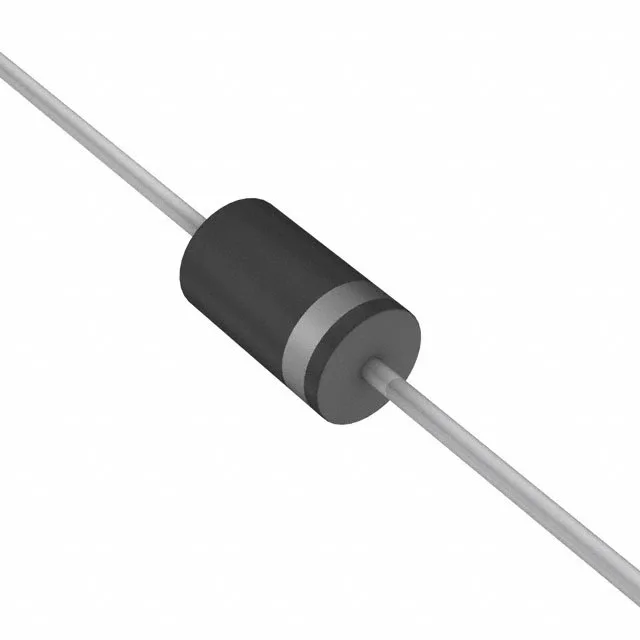
The 1.5KE160AHB0G: AEC-Q101 qualification certifies this part for automotive-grade stress testing: it has passed the reliability screens for temperature cycling, high-temperature reverse bias, and ESD robustness that commercial-grade TVS parts skip.
Clamping voltage, breakdown, and the protection window
The reverse standoff voltage is 136 V — the DC bus or signal line it protects must never exceed this level in normal operation. Breakdown occurs at 152 V minimum, so the diode remains high-impedance below that threshold and starts conducting only when a transient pushes the line above 152 V. That 219 V ceiling is what the downstream silicon sees during the surge — if the protected device's abs-max rating is below 219 V, this TVS will not hold it safe. Peak pulse power is 1500 W (1.5 kW) for the standard 10/1000 µs pulse. This is the energy-handling capacity that determines whether the TVS survives a single high-energy transient or fails shorted. For repetitive surges, the derating curve from the datasheet must be applied.
Package, temperature range, and the deployment environment
The 175°C upper limit allows deployment in engine-bay electronics or industrial enclosures where ambient temperatures hit 105°C and self-heating from the surge adds another 50–60°C. This is a unidirectional Zener-type TVS with one channel, so it clamps only positive transients above the breakdown voltage. For AC lines or bidirectional clamping, two devices back-to-back or a dedicated bidirectional TVS is needed.