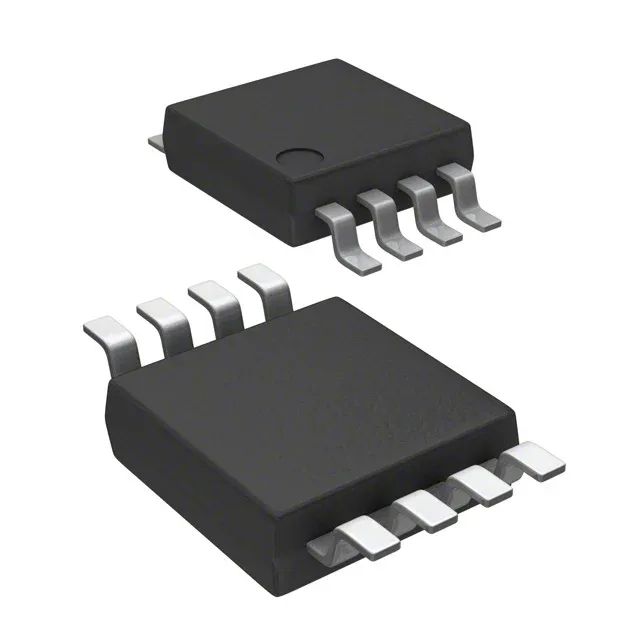
ROHM Semiconductor BR93G66FVM-3GTTR — Microcontrollers & Processors (MCU / MPU / DSP)

BR93G66FVM-3GTTR EEPROM, 4Kbit Microwire, 3 MHz, 8-MSOP

MPNBR93G66FVM-3GTTR
End of Life

ROHM BR93G66FVM-3GTTR, EEPROM, 4Kbit (256 x 16), Microwire, 3 MHz, 1.7V~5.5V, -40°C~85°C, 8-MSOP.

$0.51Ref. price · indicative, final on quote
Packaging8-VSSOP, 8-MSOP (0.110", 2.80mm Width)
RoHSROHS3 Compliant
Independent supplier — new & surplus stockAuthenticity-screened · ESD-safe packingListing updated Jul 2026

Specifications

BR93G66FVM-3GTTR specifications
ParameterValue
Memory typeNon-Volatile
MountingSurface Mount
Voltage1.7V ~ 5.5V
Frequency3 MHz
Memory interfaceMicrowire
Operating temperature-40°C ~ 85°C (TA)
PackageTape & Reel (TR); Cut Tape (CT)
TechnologyEEPROM
Memory size4Kbit
Memory formatEEPROM
Case8-VSSOP, 8-MSOP (0.110\", 2.80mm Width)
Memory organization256 x 16
Write cycle time - word, page5ms

Product details

Avoid the wrong density — 4Kbit is for calibration data, not firmware

The BR93G66FVM-3GTTR is a 4Kbit serial EEPROM from ROHM, organized as 256 x 16 bits, communicating over a Microwire interface at up to 3 MHz. This density tier is sized for storing calibration constants, serial numbers, or configuration parameters — not for firmware images or large data logs.

Temperature grade — industrial range, not extended hot-spot

It does not reach the 105°C or 125°C that some automotive-grade AEC-Q100 parts (like the BR93A46RFVT-WME2 or BR93H86RF-WCE2) carry, so for underhood or hot-plenum use, step up to those qualified parts.

Write cycle time — 5 ms word/page, plan your firmware loop

The write cycle time is 5 ms for both word and page operations. In a firmware routine that stores a parameter, budget a 5 ms polling wait or an interrupt timer — a tight loop that reads the status register too early will see a busy flag and waste cycles.

ROHS3 compliant and marked active in production.

Frequently asked questions

Will BR93G66FVM-3GTTR drop into a panel that was specified around BR93G46FVM-3AGTTR without rewiring?

Yes. Both parts share the same 8-MSOP footprint, supply voltage range, and Microwire interface. The only difference is density: 4 Kbit vs 1 Kbit. The firmware must be updated to address the larger memory array, but the PCB layout does not change.

What compliance documentation does this part carry?

The part is ROHS3 compliant. No UL or IEC certification is listed in the available documentation.