300 mA, 5 V fixed — the headroom story
The BD50GA3MEFJ-LBH2: Rated for 300 mA continuous output at 5 V fixed, with a maximum dropout of 1.2 V at full load. If your input rail is 12 V nominal (14 V absolute max), you've got nearly 7 V of headroom — plenty for ripple rejection, but the dropout figure tells you the minimum input before regulation falls out: 6.2 V at 300 mA. Below that, the output starts tracking the input minus the pass element's voltage drop. Quiescent current maxes out at 1.2 mA — not a micropower part, but fine for always-on rails in industrial control where the system draw dwarfs the regulator's own consumption. The enable pin lets you shut down the output entirely, cutting Iq to near zero in sleep mode.
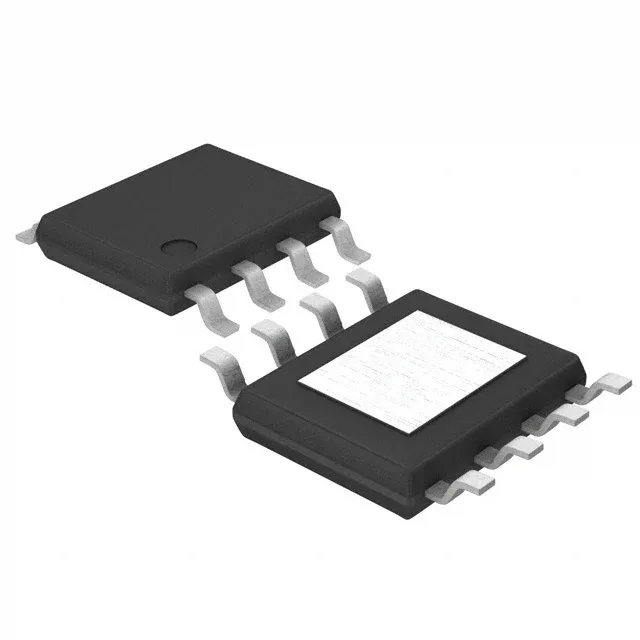
8-HTSOP-J with exposed pad — thermal path matters
The 8-SOIC exposed-pad package (ROHM calls it 8-HTSOP-J) routes the main heat path through the paddle on the bottom of the part. The -40°C to 105°C operating range covers industrial enclosures and outdoor cabinets, but the actual thermal limit depends on how much copper you put under that pad. Surface-mount only — no through-hole variant. The exposed pad also means the part needs a solder paste stencil aperture for the paddle; a standard SOIC-8 footprint without the thermal land will leave the pad floating and the part running hot.
Protection built in — over-current and thermal shutdown
Internal over-current limiting folds back the output when the load exceeds the rated 300 mA, and thermal shutdown kicks in if the junction hits the die's overtemperature threshold. These are self-resetting — the part recovers when the fault clears or the die cools. No external clamp or crowbar needed for basic fault handling, though the protection features don't replace a proper fuse or TVS on the input if you expect sustained shorts.