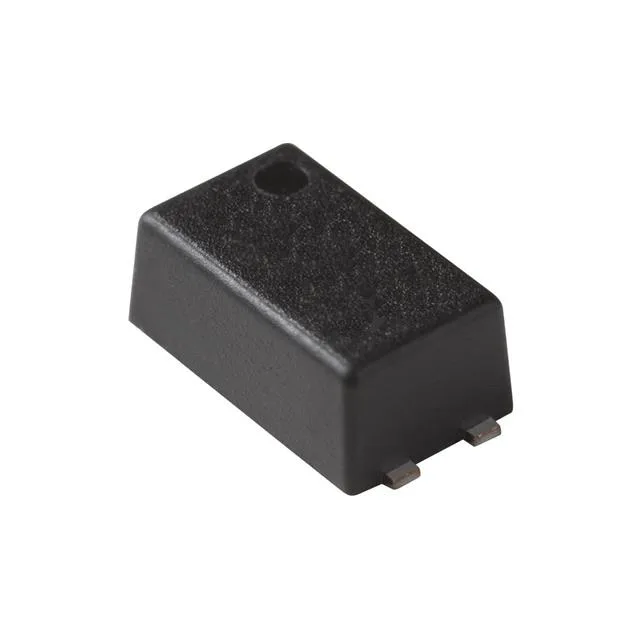
Panasonic Electric Works AQY206GV1Y — Signal Relays

Panasonic AQY206GV1Y PhotoMOS Relay, SPST-NO, 150 mA, 600 V

MPNAQY206GV1Y
Active

Panasonic Electric Works PhotoMOS™ AQY series, Signal Relay, SPST-NO (1 Form A), Surface Mount, 150 mA, 0 V ~ 600 V, 4-SMD Flat Leads, AQY206GV1Y.

$16.6800Ref. price · indicative, final on quote
Sourced new & surplus through independent channelsAuthenticity-screened · ESD-safe packingListing updated Aug 2026

Specifications

AQY206GV1Y specifications
ParameterValue
SeriesPhotoMOS™ AQY
Output typeAC, DC
MountingSurface Mount
Voltage - load0 V ~ 600 V
Voltage - input1.47 ~ 1.7VDC
Load current150 mA
CircuitSPST-NO (1 Form A)
PackageTape & Reel (TR) Cut Tape (CT)
Case4-SMD, Flat Leads
Termination styleSMD (SMT) Tab
On-State resistance15 Ohms

Product details

150 mA load switch rated to 600 V

The AQY206GV1Y is a PhotoMOS™ AQY series solid-state relay from Panasonic Electric Works, configured as a single-pole single-throw normally-open (SPST-NO) switch. It handles a continuous load current of 150 mA across a load voltage range of 0 V to 600 V AC or DC, making it suitable for switching low-power signals or loads in test equipment, instrumentation, and industrial control where galvanic isolation is needed without mechanical contact wear.

On-state resistance and input drive

Maximum on-state resistance is 15 Ohms, which sets the voltage drop across the output at full load: at 150 mA the drop is about 2.25 V, a figure to budget into the signal path when the relay is switching low-level analog signals where series resistance affects accuracy. The tight input voltage window means the drive circuit must deliver within that band; a 3.3 V logic rail with a series resistor sized for the LED forward current works, but a 5 V rail needs a larger dropping resistor or a series diode to stay within the 1.7 V ceiling.

Frequently asked questions

What is the on-state resistance of the AQY206GV1Y and why does it matter?

Maximum on-state resistance is 15 Ohms. At the rated 150 mA load current, this produces a 2.25 V drop across the output. For low-voltage signal switching, that drop must be within the downstream circuit's common-mode or threshold budget.