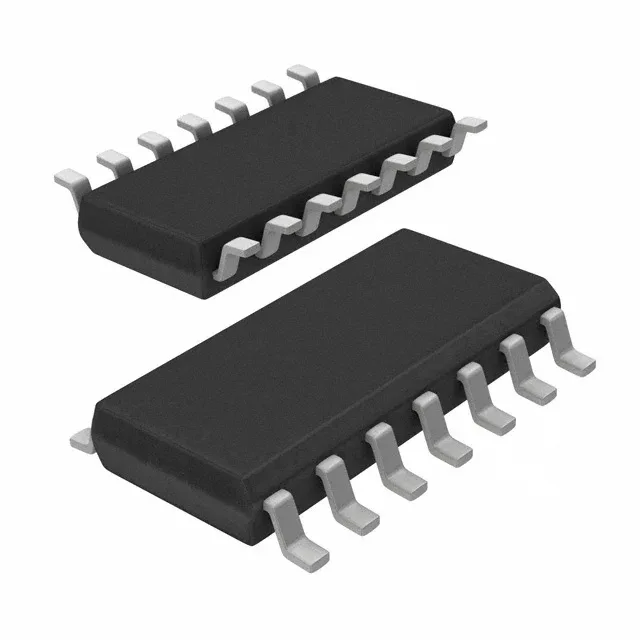
NXP Semiconductors TJA1041AT/CM,118 — Crystals & Oscillators

TJA1041AT/CM,118 CAN Transceiver – NXP, Active, 14-SOIC

MPNTJA1041AT/CM,118
End of Life

NXP TJA1041AT/CM,118, Half-Duplex CAN Transceiver, 1/1 Driver/Receiver, 4.75V–5.25V Supply, 70 mV Hysteresis, 14-SOIC (0.154", 3.90mm Width), Surface Mount, Tape & Reel

$3.03Ref. price · indicative, final on quote
Packaging14-SOIC (0.154", 3.90mm Width)
RoHSROHS3 Compliant
Independent supplier — new & surplus stockAuthenticity-screened · ESD-safe packingListing updated Aug 2026

Specifications

TJA1041AT/CM,118 specifications
ParameterValue
TypeTransceiver
MountingSurface Mount
Voltage4.75V ~ 5.25V
ProtocolCANbus
DuplexHalf
PackageTape & Reel (TR); Cut Tape (CT)
Case14-SOIC (0.154\", 3.90mm Width)
Receiver hysteresis70 mV
Number of drivers (Receivers)1/1

Product details

CAN bus physical layer for 5V nodes

The TJA1041AT/CM,118 is a half-duplex CAN transceiver from NXP, designed to interface a CAN protocol controller with the differential bus. It handles one driver and one receiver (1/1) and operates from a 4.75V to 5.25V supply, making it a direct fit for 5V microcontroller-based CAN nodes. The receiver hysteresis is specified at 70 mV, which improves noise immunity on the bus — a practical advantage in electrically noisy environments like factory floors or automotive body electronics.

The 4.75V to 5.25V supply range matches the VCC of classic 5V CAN controllers and 5V MCUs. If your design uses a 3.3V controller, this transceiver will not interface directly at the logic pins without a level shifter — the supply rail sets the logic threshold.

Frequently asked questions

Does TJA1041AT/CM,118 work with 3.3V CAN controllers?

The supply range is 4.75V to 5.25V, and the logic input thresholds track that rail. A 3.3V controller output will not reliably drive the TXD pin without a level translator. For 3.3V systems, consider a CAN transceiver with a separate VIO pin or a 3.3V-rated part.