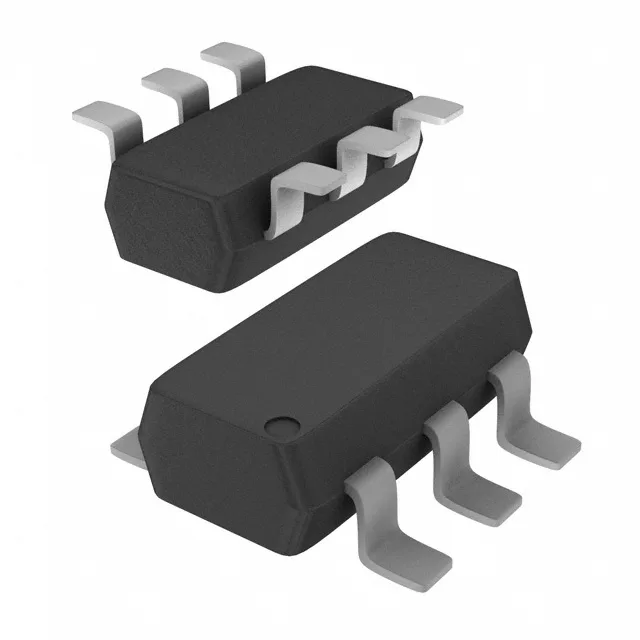
NXP Semiconductors TEA1999TS/2H — Interface & Transceivers

NXP TEA1999TS/2H GreenChip Sync Rectifier, SC-74

MPNTEA1999TS/2H
End of Life

NXP Semiconductors GreenChip™ synchronous rectification controller, TEA1999TS/2H, SC-74 SOT-457 package, 250 µA supply current, 0 V to 21 V supply range, -40°C to 150°C junction temperature.

$1.12Ref. price · indicative, final on quote
PackagingSC-74, SOT-457
RoHSROHS3 Compliant
SeriesGreenChip™
Independent supplier — new & surplus stockAuthenticity-screened · ESD-safe packingListing updated Aug 2026

Specifications

TEA1999TS/2H specifications
ParameterValue
SeriesGreenChip™
MountingSurface Mount
Voltage0V ~ 21V
Current - supply250 µA
Operating temperature-40°C ~ 150°C (TJ)
PackageTape & Reel (TR); Cut Tape (CT)
ApplicationsActive/Synchronous Rectification Controller
CaseSC-74, SOT-457

Product details

Synchronous rectification controller in SC-74

The NXP TEA1999TS/2H is a GreenChip™ synchronous rectification controller in a 6-pin SC-74 (SOT-457) surface-mount package. It drives an external MOSFET to replace the output diode in a flyback or resonant converter, cutting the rectifier's conduction loss by replacing the diode's forward drop with the FET's Rds(on). Supply current is 250 µA, and the supply voltage range spans 0 V to 21 V, so the controller can be biased directly from the converter's output rail or an auxiliary winding without a separate regulator.

Temperature grade and board-fit constraints

The 150°C TJ max means the part can sit next to a hot transformer or a switching FET on the same board without forced airflow, as long as the board's thermal resistance keeps the junction below that ceiling. The SC-74 package (SOT-457) is a 6-lead, 2.9 mm × 1.6 mm body with a 0.95 mm pitch.

Lifecycle and compliance status

NXP lists the TEA1999TS/2H as an active product with ROHS3 compliance.

Frequently asked questions

What is the TEA1999TS/2H used for?

It is a synchronous rectification controller that drives an external MOSFET to replace the output rectifier diode in flyback or resonant power converters. This reduces conduction losses compared to a standard diode rectifier.