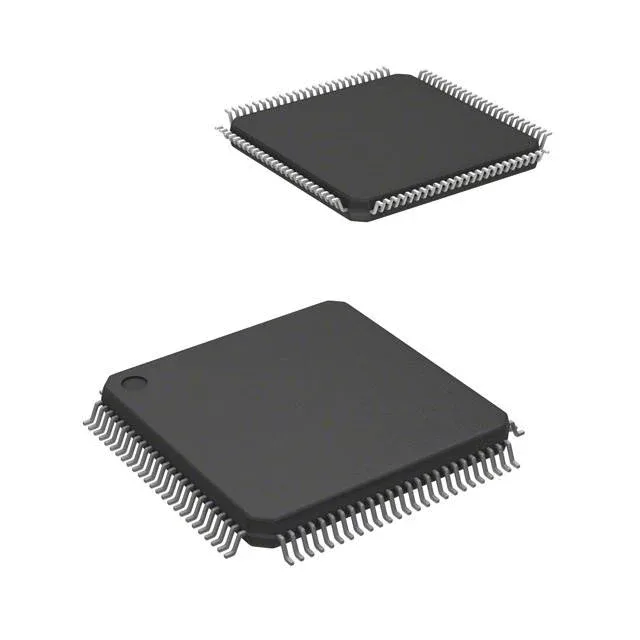
NXP Semiconductors SPC5603PEF1MLL6 — Discrete Semiconductors

SPC5603PEF1MLL6 MCU, 32-bit e200z0h, 64 MHz, 384 KB Flash

MPNSPC5603PEF1MLL6
End of Life

NXP MPC56xx Qorivva series, SPC5603PEF1MLL6, 32-bit Single-Core MCU with e200z0h core, 64 MHz, 384 KB Flash, 64K x 8 EEPROM, 36K x 8 RAM, 68 I/O, CANbus/FlexRay/LIN/SPI/UART, 100-LQFP (14x14), -40 to 125°C, 3V to 5.5V supply.

$18.35Ref. price · indicative, final on quote
Packaging100-LQFP
StockContact for availability
MOQ1 pcs
  • 100% new & originalTraceable channels only — no refurbs, no pulls, no remarked parts.
  • Date & lot codes on quoteStated per line before you commit; label photos on request.
  • MSL-compliant ESD packingMoisture-sealed bags with indicator cards; reels photo-verified.
  • PayPal buyer protectionPay by T/T, PayPal or Payoneer — card payments covered end to end.

Specifications

SPC5603PEF1MLL6 Technical Specifications
ParameterValue
SeriesMPC56xx Qorivva
Mounting typeSurface Mount
Oscillator typeInternal
Program memory typeFLASH
Voltage - supply (Vcc (Vdd))3V ~ 5.5V
Operating temperature-40°C ~ 125°C (TA)
Speed64MHz
PackageTray
RAM size36K x 8
Core size32-Bit Single-Core
EEPROM size64K x 8
PeripheralsDMA, POR, PWM, WDT
ConnectivityCANbus, FlexRay, LINbus, SPI, UART/USART
Number of i (O)68
Core processore200z0h
Case100-LQFP
Data convertersA/D 30x10b
Program memory size384KB (384K x 8)

Product details

What this Qorivva MCU brings to the BOM

The NXP SPC5603PEF1MLL6 is a 32-bit single-core microcontroller from the MPC56xx Qorivva family, built around the e200z0h core clocked at 64 MHz. It carries 384 KB of Flash program memory and a dedicated 64K x 8 EEPROM block. Serial connectivity covers CAN, FlexRay, and LIN plus SPI and UART. The 68 GPIOs and a 30-channel 10-bit ADC handle typical I/O counts.

384 KB Flash + 64 KB EEPROM — memory map for production code

The Flash array is sized for a full AUTOSAR stack or a custom control loop with moderate lookup tables. The separate 64K x 8 EEPROM block is emulated in the Flash array but presented as a dedicated NVM region — useful for storing DTCs, adaptive-learn parameters, or VIN data without wearing the main program Flash. RAM at 36K x 8 is enough for real-time stack and intermediate buffers; designs needing larger data arrays should budget external SRAM or move up the MPC56xx density ladder.

Active lifecycle — no LTB pressure

The SPC5603PEF1MLL6 carries an Active product status and is ROHS3 compliant. There is no last-time-buy notice or NRND flag on this order code. For a production BOM line that needs to stay qualified for several years, this part does not force an early redesign cycle. The series is NXP's mainstream automotive MCU line, so second-sourcing within the MPC56xx family is possible via pin-compatible siblings with different Flash/RAM configurations — but no official cross-reference is listed here.

Sourcing and availability

This part is sourced through independent distribution and quoted to order against an RFQ. Pricing and availability are confirmed at quote time.

Frequently asked questions

What is the pinout of SPC5603PEF1MLL6?

The pinout is defined by the 100-LQFP package (14x14 mm, 0.5 mm pitch). The datasheet from NXP provides the full pin assignment and functional description.

What are the alternatives to SPC5603PEF1MLL6?

Within the MPC56xx Qorivva family, pin-compatible siblings with different Flash/RAM densities exist, such as the SPC5603PEF1MLL4. No official cross-reference is listed here; verify memory and peripheral compatibility against your application.

Is SPC5603PEF1MLL6 compatible with 5V logic?

Yes. The supply range is 3V to 5.5V, so the I/O banks can operate at 5V logic levels directly. No external level translator is required for 5V sensor or actuator interfaces.

What is the difference between SPC5603PEF1MLL6 and SPC5603PEF1MLL4?

The SPC5603PEF1MLL6 runs at 64 MHz, while the SPC5603PEF1MLL4 is clocked at a lower speed. Both share the same 100-LQFP package and peripheral set; the speed difference affects instruction throughput for timing-critical loops.