NXP Semiconductors PCA9600D,112 — Discrete Semiconductors

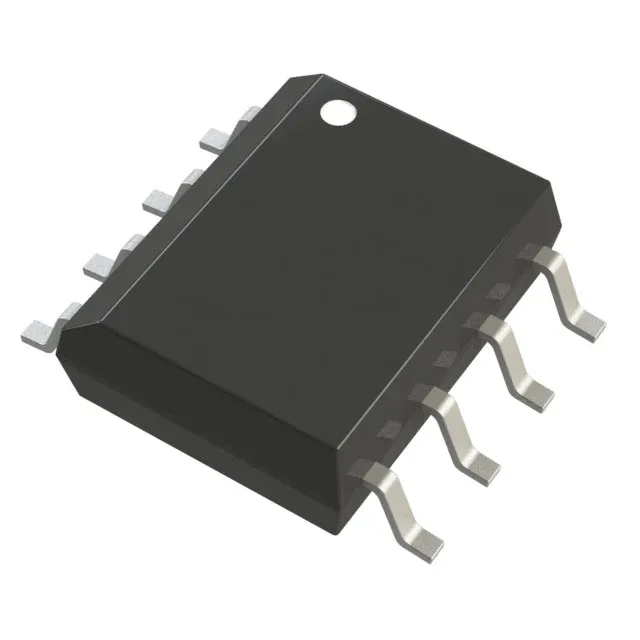
PCA9600D,112 I²C Buffer/ReDriver, 1 MHz, 8-SOIC

MPNPCA9600D,112
End of Life

NXP PCA9600D,112 I²C Buffer/ReDriver, 1 channel, 1 MHz max data rate, 2.5 V–15 V supply, 10 pF input capacitance, 5.2 mA supply current, 8-SOIC, -40°C to 85°C, Tube, ROHS3.

$4.39Ref. price · indicative, final on quote
Packaging8-SOIC (0.154", 3.90mm Width)
RoHSROHS3 Compliant
Sourced new & surplus through independent channelsAuthenticity-screened · ESD-safe packingListing updated Aug 2026

Specifications

PCA9600D,112 specifications
ParameterValue
TypeBuffer, ReDriver
MountingSurface Mount
Voltage2.5V ~ 15V
Current - supply5.2mA
Operating temperature-40°C ~ 85°C
Input2-Wire Bus
Output2-Wire Bus
PackageTube
ApplicationsI²C
Case8-SOIC (0.154\", 3.90mm Width)
Data rate1MHz
Channels1
Capacitance - input10 pF

Product details

What the 1 MHz data rate and 10 pF input capacitance mean for the bus

The 1 MHz data rate is the maximum the buffer can pass without introducing timing violations. The 10 pF input capacitance is low enough that adding the buffer to an existing bus node does not significantly load the upstream master.

Frequently asked questions

Is PCA9600D,112 suitable for a 1 MHz I²C bus with 10 pF input capacitance?

Yes, the part is rated for 1 MHz maximum data rate and has a 10 pF input capacitance, so it can buffer a 1 MHz bus without exceeding its own timing or loading limits. Verify the total bus capacitance and propagation delay against the master's timing budget.

What is the difference between PCA9600D and PCA9515?

The PCA9600D operates from 2.5 V to 15 V and supports 1 MHz, while the PCA9515 typically runs from 2.7 V to 5.5 V and supports 400 kHz. The PCA9600D's wider supply range and higher data rate make it the choice for mixed-voltage or high-speed I²C buses; the PCA9515 is a lower-cost option for standard 3.3 V/5 V 400 kHz buses.

How many I²C devices can a PCA9600D drive?

The PCA9600D's 5.2 mA supply current and 10 pF input capacitance suggest it can drive a bus segment with several slave devices, but the exact fan-out depends on the total bus capacitance (including trace and device input capacitance) and the rise-time requirements at the operating frequency. At 1 MHz, keep total bus capacitance under 400 pF; at 400 kHz, up to 400 pF is typical.