The NXP PCA9535D,112 is a 16-bit I²C-bus and SMBus I/O expander in a 24-SOIC package. It adds sixteen push-pull GPIOs to a microcontroller using only two bus lines (SDA/SCL), with a clock frequency of 400 kHz. An interrupt output (INT) signals the host when an input changes state, so the firmware doesn't have to poll the bus at a fixed interval. Each I/O can source 10 mA or sink 25 mA, enough to drive an LED directly or switch a small-signal relay through a transistor. The push-pull output stage eliminates the need for external pull-up resistors on outputs, though inputs still require pull-ups if the external driver is open-drain. The POR (power-on reset) feature ensures all I/Os default to inputs at power-up, preventing unintended output states during supply ramp.
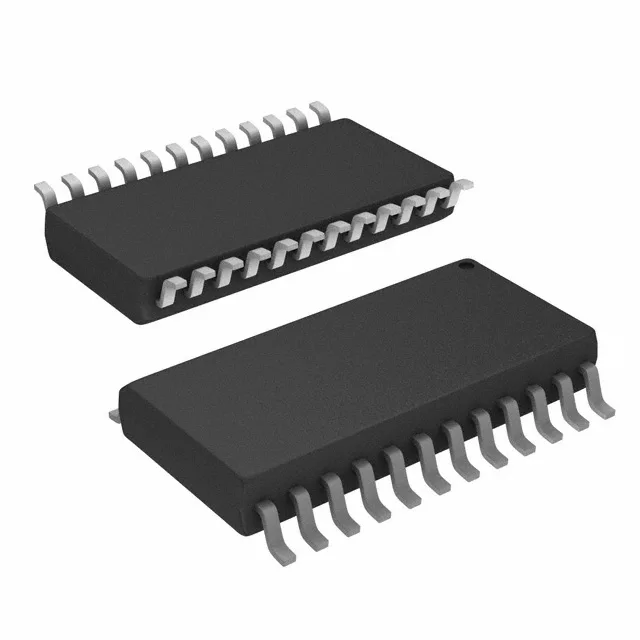
NXP PCA9535D,112 16-bit I²C I/O Expander, 400 kHz, 24-SOIC
MPNPCA9535D,112
End of Life
NXP PCA9535D,112 16-bit I²C/SMBus I/O expander, 400 kHz clock, 2.3V–5.5V supply, push-pull outputs, interrupt output, 10mA source / 25mA sink, -40°C to 85°C, 24-SOIC package.
$2.46Ref. price · indicative, final on quote
Packaging24-SOIC (0.295", 7.50mm Width)
RoHSROHS3 Compliant
Sourced new & surplus through independent channelsAuthenticity-screened · ESD-safe packingListing updated Aug 2026
Specifications
| Parameter | Value |
|---|---|
| Output type | Push-Pull |
| Mounting | Surface Mount |
| Voltage | 2.3V ~ 5.5V |
| Current - output source (Sink) | 10mA, 25mA |
| Frequency | 400 kHz |
| Interface | I²C, SMBus |
| Operating temperature | -40°C ~ 85°C |
| Package | Tube |
| Features | POR |
| Number of i (O) | 16 |
| Case | 24-SOIC (0.295\", 7.50mm Width) |
| Interrupt output | Yes |
Product details
Frequently asked questions
What is the difference between PCA9535 and PCA9535D?
The 'D' suffix selects the SOIC footprint, which is easier to hand-solder and inspect than a QFN.
Can PCA9535D be used with 5V logic?
Yes. The I²C bus pins are 5 V tolerant as well, allowing connection to a 5 V master without external level shifting.