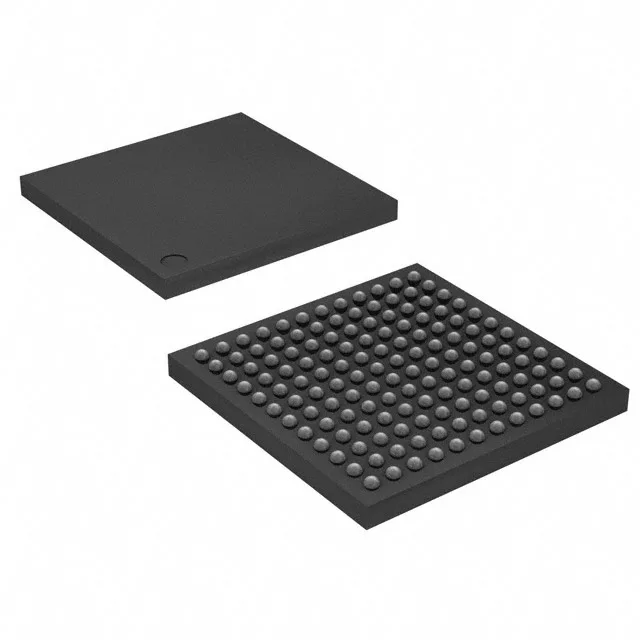
NXP Semiconductors MK60DN256VMD10 — Microcontrollers & Processors (MCU / MPU / DSP)

NXP MK60DN256VMD10 Kinetis K60 MCU, ARM Cortex-M4 100 MHz

MPNMK60DN256VMD10
End of Life

NXP Kinetis K60 MK60DN256VMD10, ARM Cortex-M4 32-bit MCU, 100 MHz, 256 KB Flash, 64 KB RAM, Ethernet + CAN + USB OTG, 42-ch 16-bit ADC, 144-MAPBGA (13x13 mm), -40°C to 105°C.

$16.81Ref. price · indicative, final on quote
Packaging144-LBGA
RoHSROHS3 Compliant
SeriesKinetis K60
Independent supplier — new & surplus stockAuthenticity-screened · ESD-safe packingListing updated Aug 2026

Specifications

MK60DN256VMD10 specifications
ParameterValue
SeriesKinetis K60
MountingSurface Mount
Oscillator typeInternal
Program memory typeFLASH
Voltage - supply (Vcc (Vdd))1.71V ~ 3.6V
Operating temperature-40°C ~ 105°C (TA)
Speed100MHz
PackageTray
RAM size64K x 8
Core size32-Bit Single-Core
PeripheralsDMA, I²S, LVD, POR, PWM, WDT
ConnectivityCANbus, EBI/EMI, Ethernet, I²C, IrDA, SD, SPI, UART/USART, USB, USB OTG
Number of i (O)100
Core processorARM® Cortex®-M4
Case144-LBGA
Data convertersA/D 42x16b; D/A 2x12b
Program memory size256KB (256K x 8)

Product details

100 MHz Cortex-M4 with Ethernet and CAN — industrial-gateway MCU

The MK60DN256VMD10 is a 32-bit microcontroller with an ARM Cortex-M4 core running at 100 MHz.

Connectivity and analog — what the peripheral set buys you

The 42-channel 16-bit ADC can sample a dozen analog sensors or current-sense amplifiers without external muxing; the two 12-bit DACs handle analog setpoint outputs for a motor drive or power supply trim.

144-MAPBGA — board-level fit

Housed in a 144-ball MAPBGA package measuring 13x13 mm, this part routes 100 general-purpose I/Os. The fine-pitch BGA footprint typically requires a four-layer PCB with via-in-pad or microvia routing for the inner balls.

Frequently asked questions

What is the difference between MK60DN256VMD10 and MK60DN512VMD10?

The MK60DN512VMD10 doubles the Flash to 512 KB and the RAM to 128 KB. Everything else — package, pinout, core speed, peripheral set, temperature range — is identical. The 256 KB variant is the right fit for a mid-complexity firmware image; the 512 KB version handles larger application code or an OTA staging buffer.