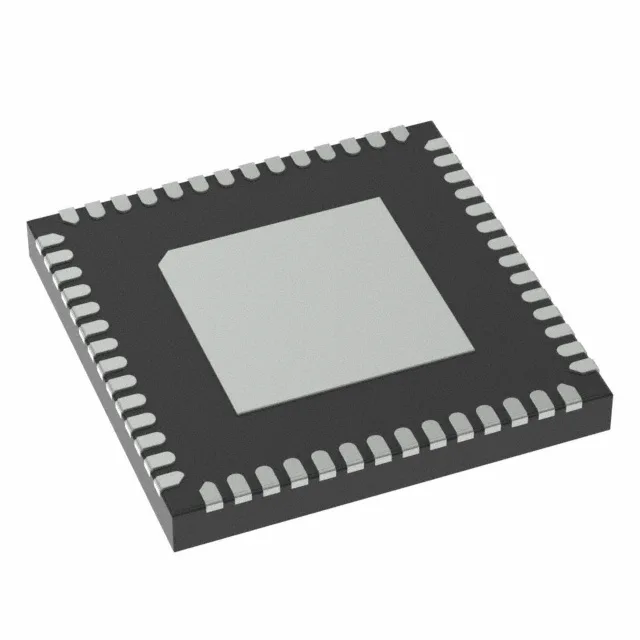
NXP Semiconductors MC34VR500V6ES — Discrete Semiconductors

MC34VR500V6ES PMIC, Quad Buck Regulator, 2A, 56-QFN

MPNMC34VR500V6ES
End of Life

NXP MC34VR500V6ES power management IC, quad buck regulator for QorIQ LS1/T1 communications processors, 2A supply, 2.8V-4.5V input, -40°C to 105°C, 56-VFQFN exposed pad, tray.

$12.65Ref. price · indicative, final on quote
Packaging56-VFQFN Exposed Pad
StockContact for availability
Lead timeIn Stock wk
MOQ1 pcs
  • 100% new & originalTraceable channels only — no refurbs, no pulls, no remarked parts.
  • Date & lot codes on quoteStated per line before you commit; label photos on request.
  • MSL-compliant ESD packingMoisture-sealed bags with indicator cards; reels photo-verified.
  • PayPal buyer protectionPay by T/T, PayPal or Payoneer — card payments covered end to end.

Specifications

MC34VR500V6ES Technical Specifications
ParameterValue
Mounting typeSurface Mount, Wettable Flank
Voltage2.8V ~ 4.5V
Current - supply2A
Operating temperature-40°C ~ 105°C (TA)
PackageTray
ApplicationsQorlQ LS1/T1 Communications Processors
Case56-VFQFN Exposed Pad

Product details

Application-specific PMIC for QorIQ LS1/T1 processors

The MC34VR500V6ES is a power management IC from NXP, purpose-built for the QorIQ LS1 and T1 communications processor family. It integrates a quad buck regulator capable of delivering up to 2A total supply current from a 2.8V to 4.5V input rail. Rated for the industrial temperature span of -40°C to 105°C, this PMIC matches the thermal envelope of networking and edge-computing hardware deployed in uncontrolled environments.

Lifecycle and compliance

Fully ROHS3 compliant, the MC34VR500V6ES meets the latest EU restriction-of-hazardous-substances directive for lead-free soldering processes.

Frequently asked questions

Does MC34VR500V6ES support QorIQ LS1 processors?

Yes, the MC34VR500V6ES is specifically designed for NXP's QorIQ LS1 and T1 communications processors. The quad buck regulator outputs and sequencing are tailored to the power-up requirements of those processor families.