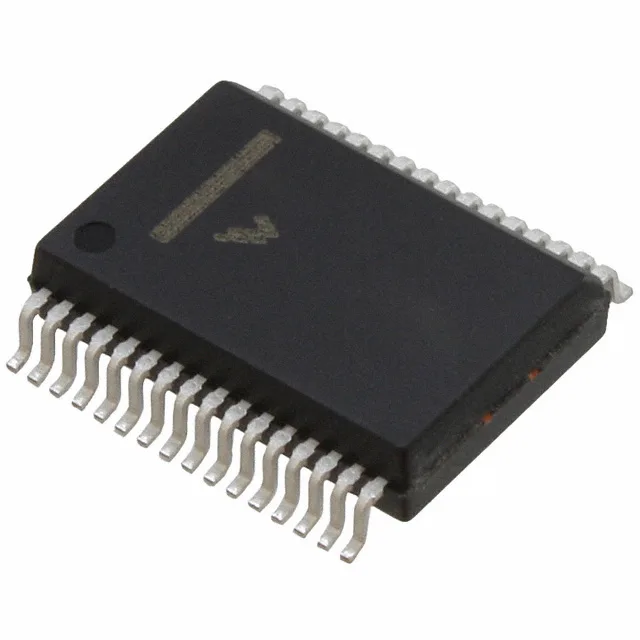
The NXP MC33689DPEWR2 is a specialized interface IC rated for automotive environments, controlled over an SPI serial bus. It operates from a 5.5 V to 18 V supply rail, which covers the nominal 12 V automotive battery bus including cold-crank dips and load-dump transients within the range.
The 5.5 V to 18 V supply range is the first thing to check when you are planning the power architecture. If your board runs on a regulated 5 V rail, this part will not start — the minimum is 5.5 V. It is designed for the unregulated or semi-regulated 12 V bus typical in vehicles, where the voltage swings between battery float (around 14 V) and cranking dips (down to 6 V or so). The 18 V upper end gives headroom for load-dump events without needing an external clamp, as long as the transient stays within that ceiling.
SPI serial interface — host-side integration
Control and configuration happen through an SPI serial interface. That means the host MCU needs at least one SPI port with chip-select, clock, and data lines dedicated to this device. The SPI bus also implies a firmware driver to handle the register map — there is no I²C or parallel fallback. If your design already has a free SPI peripheral, integration is straightforward; if not, you are adding a bus or bit-banging GPIOs.
For a production BOM line, that removes the sourcing uncertainty that comes with obsolete or NRND parts.