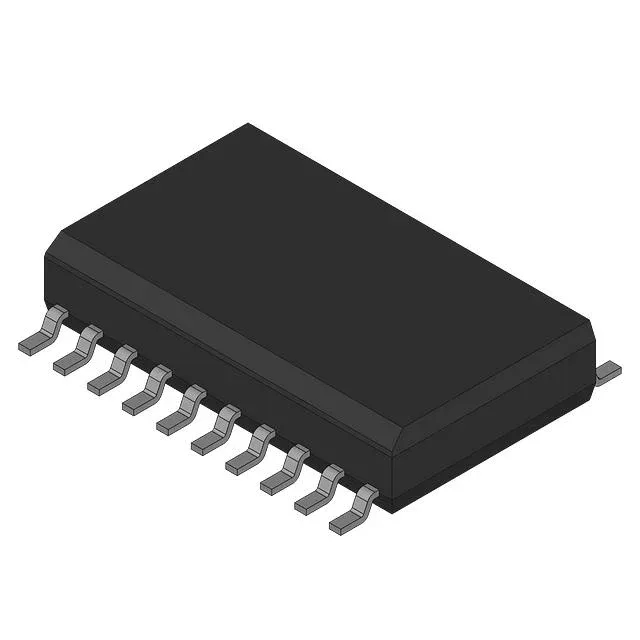
NXP Semiconductors 74HCT573D/C4118 — Logic ICs

74HCT573D/C4118 D-Type Transparent Latch – NXP 74HCT

MPN74HCT573D/C4118
End of Life

NXP Semiconductors 74HCT573D/C4118, 74HCT series, 8-bit D-Type Transparent Latch, tri-state outputs, 20-SOIC package, 4.5V–5.5V supply, 17 ns propagation delay.

$0.22Ref. price · indicative, final on quote
Packaging20-SOIC (0.295", 7.50mm Width)
RoHSNot applicable
Series74HCT
Independent supplier — new & surplus stockAuthenticity-screened · ESD-safe packingListing updated Aug 2026

Specifications

74HCT573D/C4118 specifications
ParameterValue
Series74HCT
Logic typeD-Type Transparent Latch
Output typeTri-State
MountingSurface Mount
Supply voltage4.5V ~ 5.5V
Current - output high, low6mA, 6mA
Operating temperature-40°C ~ 125°C
Circuit1:8
PackageBulk
Case20-SOIC (0.295\", 7.50mm Width)
Independent circuits1
Delay time - propagation17ns

Product details

17 ns propagation delay – bus timing anchor

For a bus-coupled system running at 10–20 MHz, that 17 ns window sets the setup-and-hold budget on the downstream register — every gate, trace, and connector adds to that margin before the clock edge arrives.

Tri-state bus isolation and output drive

Tri-state outputs allow the latch to release the bus when the output-enable control is deasserted, preventing driver contention on a shared data line. The output stage can source or sink 6 mA per channel, sufficient to drive a single LSTTL load or a short PCB trace directly.

Frequently asked questions

How can I order the 74HCT573D/C4118 and check current availability?

Availability and pricing are confirmed per RFQ — submit a request with your target quantity and we will provide a competitive, sourced-to-order quote against your BOM line.

What is the difference between 74HCT573D and 74HC573D?

The HCT variant (74HCT573D) is specified with TTL-compatible input thresholds, whereas the HC variant (74HC573D) uses CMOS thresholds. In a mixed-logic system where inputs come from a 5V TTL gate, the HCT version provides cleaner noise margin. Propagation delay and supply range are otherwise similar.