NXP Semiconductors 74HCT241PW/C4118 — Logic ICs

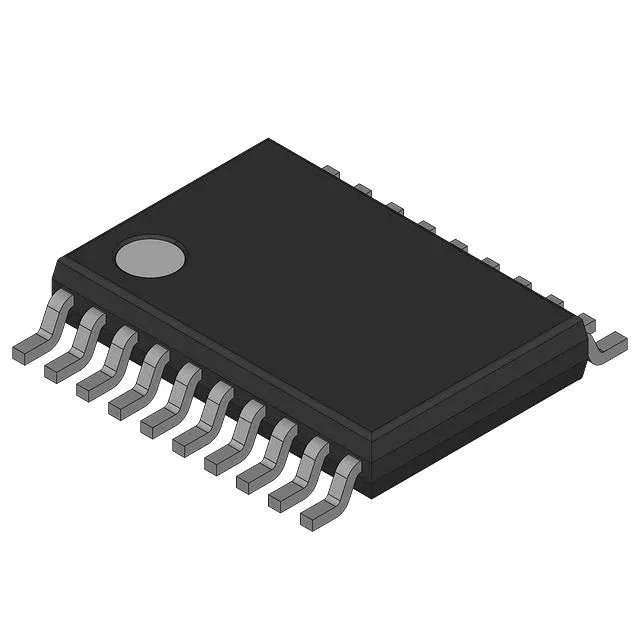
74HCT241PW/C4118 Buffer, Non-Inverting, 3-State, 20-TSSOP

MPN74HCT241PW/C4118
End of Life

Nexperia 74HCT241PW/C4118, 74HCT series, Buffer/Line Driver, Non-Inverting, 3-State, 2 x 4-bit, 4.5V-5.5V supply, 6mA output, -40°C to 125°C, 20-TSSOP.

$0.19Ref. price · indicative, final on quote
Packaging20-TSSOP (0.173", 4.40mm Width)
StockContact for availability
MOQ1 pcs
  • 100% new & originalTraceable channels only — no refurbs, no pulls, no remarked parts.
  • Date & lot codes on quoteStated per line before you commit; label photos on request.
  • MSL-compliant ESD packingMoisture-sealed bags with indicator cards; reels photo-verified.
  • PayPal buyer protectionPay by T/T, PayPal or Payoneer — card payments covered end to end.

Specifications

74HCT241PW/C4118 Technical Specifications
ParameterValue
Series74HCT
Logic typeBuffer, Non-Inverting
Output type3-State
Mounting typeSurface Mount
Voltage4.5V ~ 5.5V
Current - output high, low6mA, 6mA
Operating temperature-40°C ~ 125°C (TA)
PackageBulk
Case20-TSSOP (0.173\", 4.40mm Width)
Number of elements2
Number of bits per element4

Product details

The 74HCT241PW/C4118 is a dual 4-bit buffer with non-inverting outputs and 3-state control, built in the 74HCT logic family. Each of the two elements handles four bits, and the 3-state outputs let you share a bus with other devices — pull the output-enable pins high and the outputs go high-impedance, effectively disconnecting from the bus. The 20-TSSOP package is a fine-pitch surface-mount footprint (0.173" body width, 4.40 mm), so plan for hot-air rework if you need to swap it on a board.

Output drive and bus interface

The 3-state control is straightforward: two enable pins (one active-low, one active-high per the 74HCT241 function table) let you isolate the outputs when the bus is owned by another driver. If you are replacing a 74HC241, note that the HCT variant has TTL-level input thresholds (0.8 V low, 2.0 V high) versus the HC's CMOS thresholds (0.3 × VCC, 0.7 × VCC). In a 5 V system with 5 V logic, both work; if your upstream driver is a 3.3 V part with 5 V-tolerant outputs, the HCT's lower input-low threshold can give you a bit more noise margin on the falling edge.

Frequently asked questions

What are the differences between 74HCT241PW and 74HC241PW?

The 74HCT241 has TTL-compatible input thresholds (0.8 V low, 2.0 V high), while the 74HC241 uses CMOS thresholds (0.3 × VCC low, 0.7 × VCC high). In a 5 V system both work, but the HCT variant is the drop-in replacement for legacy TTL logic or when driving from a 5 V microcontroller with TTL-level outputs. The pinout and package are identical.