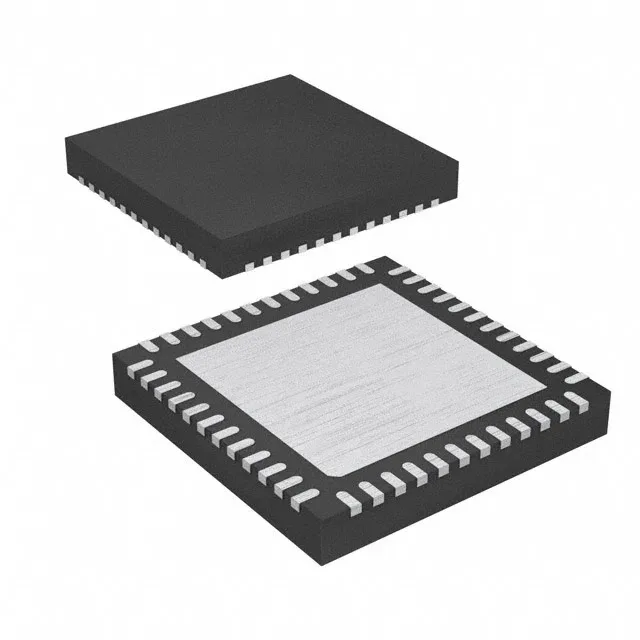
NXP MK20DN64VFT5 — Kinetis K20 ARM Cortex-M4 MCU, 64KB Flash, 50MHz
NXP Kinetis K20, MK20DN64VFT5, 32-bit ARM Cortex-M4 at 50MHz, 64KB Flash, 16KB RAM, 11-channel 16-bit ADC, USB OTG / SPI / UART / I²C, -40 to 105°C, 48-QFN-EP (7x7mm) exposed pad, Surface Mount, Tray.
- 100% new & originalTraceable channels only — no refurbs, no pulls, no remarked parts.
- Date & lot codes on quoteStated per line before you commit; label photos on request.
- MSL-compliant ESD packingMoisture-sealed bags with indicator cards; reels photo-verified.
- PayPal buyer protectionPay by T/T, PayPal or Payoneer — card payments covered end to end.
Specifications
| Parameter | Value |
|---|---|
| Series | Kinetis K20 |
| Mounting type | Surface Mount |
| Oscillator type | Internal |
| Program memory type | FLASH |
| Voltage - supply (Vcc (Vdd)) | 1.71V ~ 3.6V |
| Operating temperature | -40°C~105°C(TA) |
| Speed | 50MHz |
| Package | Tray |
| RAM size | 16K x 8 |
| Core size | 32-Bit Single-Core |
| Peripherals | DMA, I²S, LVD, POR, PWM, WDT |
| Connectivity | I²C, IrDA, SPI, UART/USART, USB, USB OTG |
| Number of i (O) | 29 |
| Core processor | ARM® Cortex®-M4 |
| Case | 48-VFQFN Exposed Pad |
| Data converters | A/D 11x16b |
| Program memory size | 64KB (64K x 8) |
Frequently asked questions
Is the MK20DN64VFT5 currently active and in normal production?
Yes — NXP lists the Kinetis K20 variant (MK20DN64VFT5) as Active with ROHS3 compliance. No NRND or EOL notice is on file for this specific stepping in the current product change notification register.
Is the MK20DN64VFT5 a drop-in pin-compatible replacement for the MK20DN128 or MK21 in the same 48-QFN-EP package?
The K20 family shares a consistent 48-QFN-EP footprint across density variants, but mux assignment differences between the 64KB and 128KB die mean pin-compatible drop-in is not guaranteed for all signal configurations. Verify the specific I/O multiplexing table against your board's pin usage before substituting a higher-density sibling.
Does the 64KB Flash limit the MK20DN64VFT5 for USB-based industrial protocols like Profinet IRT or EtherNet/IP?
The USB OTG controller is present, but 64KB of Flash constrains the application code space when a full USB class stack runs alongside a fieldbus protocol stack. A lean USB CDC/Vendor device profile is feasible; a Profinet IRT or EtherNet/IP scanner node with a full TCP/IP and USB class overlay will be tight on memory — consider the 128KB K22FN family for that use case.