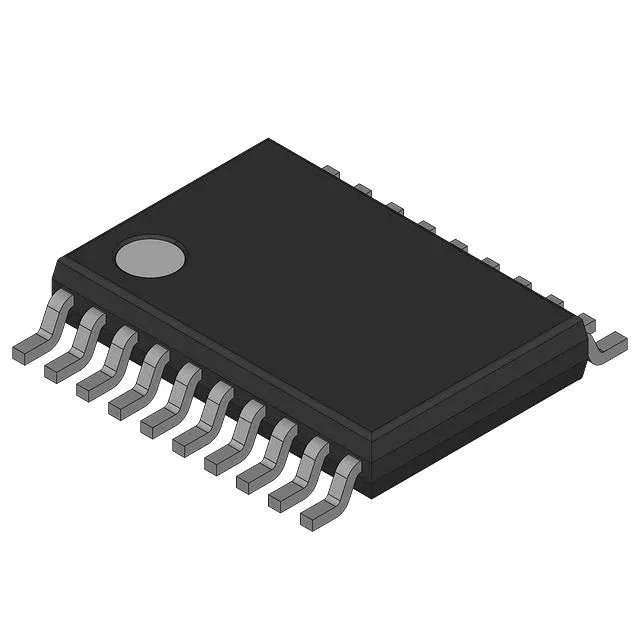
NXP USA Inc. LPC812M101JDH20129 — Microcontrollers & Processors (MCU / MPU / DSP)

NXP LPC812M101JDH20129 ARM Cortex-M0+ MCU, 30MHz, 16KB Flash

MPNLPC812M101JDH20129
Active

NXP LPC81xM series, 32-bit ARM Cortex-M0+ MCU, LPC812M101JDH20129, 30MHz, 16KB Flash, 4KB RAM, 18 I/O, I²C/SPI/UART, 1.8-3.6V, -40°C to 105°C, 20-TSSOP.

Independent supplier — new & surplus stockAuthenticity-screened · ESD-safe packingListing updated Jul 2026

Specifications

LPC812M101JDH20129 specifications
ParameterValue
SeriesLPC81xM
MountingSurface Mount
Oscillator typeInternal
Program memory typeFLASH
Voltage - supply (Vcc (Vdd))1.8V ~ 3.6V
Operating temperature-40°C~105°C(TA)
Speed30MHz
PackageBulk
RAM size4K x 8
Core size32-Bit Single-Core
PeripheralsBrown-out Detect/Reset, POR, PWM, WDT
ConnectivityI²C, SPI, UART/USART
Number of i (O)18
Core processorARM® Cortex®-M0+
Case20-TSSOP (0.173\", 4.40mm Width)
Program memory size16KB (16K x 8)

Product details

The NXP LPC812M101JDH20129 is a 32-bit ARM Cortex-M0+ MCU from the LPC81xM series, clocked at 30 MHz with 16 KB Flash and 4 KB RAM. It packs 18 programmable I/O lines and I²C, SPI, and UART interfaces into a 20-TSSOP package, running on a 1.8 V to 3.6 V supply.

16 KB Flash / 4 KB RAM — budget the firmware

16 KB of Flash and 4 KB of RAM suit a single-function firmware image — a bootloader plus one application state machine. If the design needs a full RTOS, multiple protocol stacks, or a large lookup table, the LPC81xM family offers higher-density siblings; this part is sized for a lean, deterministic task.

Frequently asked questions

What is the LPC812M101JDH20129's core speed and memory?

The core runs at 30 MHz, with 16 KB of Flash program memory and 4 KB of SRAM. That's enough for a single control loop or serial bridge, not for a full RTOS with multiple stacks.

What temperature range does the LPC812M101JDH20129 support?

It is rated for -40°C to 105°C, which covers industrial and outdoor environments — motor drives, telecom cabinets, and under-hood automotive auxiliary modules.