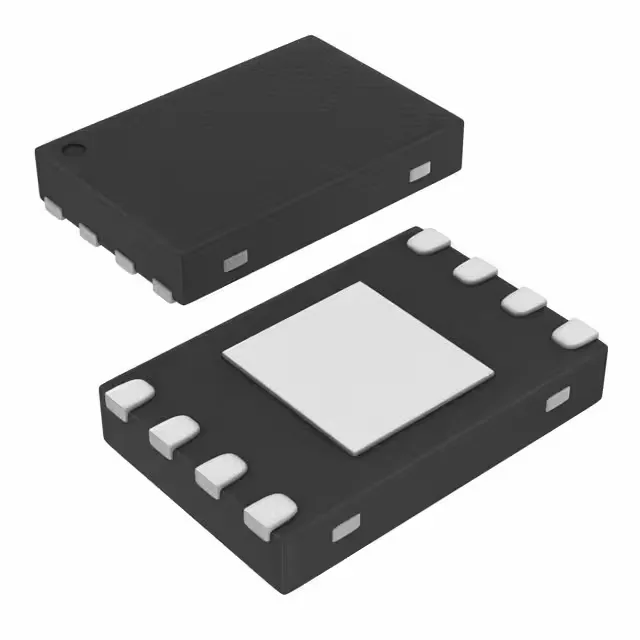
Microchip Technology 24FC02T-E/MUY — Memory (DRAM / SRAM / Flash / EEPROM)

Microchip 24FC02T-E/MUY 2Kbit I²C EEPROM, 1 MHz, 1.7-5.5V

MPN24FC02T-E/MUY
End of Life

Microchip 24FC02T-E/MUY, 2Kbit I²C serial EEPROM, 1 MHz clock, 450 ns access, 1.7V-5.5V supply, -40°C to 125°C, 8-UDFN (2x3 mm) exposed pad, Tape & Reel.

$0.26Ref. price · indicative, final on quote
Packaging8-UFDFN Exposed Pad
Independent supplier — new & surplus stockAuthenticity-screened · ESD-safe packingListing updated Jul 2026

Specifications

24FC02T-E/MUY specifications
ParameterValue
Memory typeNon-Volatile
MountingSurface Mount
Supply voltage1.7V ~ 5.5V
Clock frequency1 MHz
Memory interfaceI²C
Operating temperature-40°C ~ 125°C (TA)
PackageTape & Reel (TR); Cut Tape (CT)
TechnologyEEPROM
Access time450 ns
Memory size2Kbit
Memory formatEEPROM
Case8-UFDFN Exposed Pad
Memory organization256 x 8
Write cycle time - word, page5ms

Product details

2Kbit I²C EEPROM with a wide supply net

The Microchip 24FC02T-E/MUY is a 2Kbit serial EEPROM organized as 256 x 8 bits, accessed over an I²C bus at up to 1 MHz.

1 MHz bus — double the typical serial EEPROM throughput

The 1 MHz clock frequency is the key parametric differentiator here. Most I²C EEPROMs top out at 400 kHz; this part runs at 1 MHz, which halves the time to read or write a full 256-byte page. For a firmware boot vector or calibration table fetch, that tighter bus window matters. The 450 ns access time is the random-read latency from address latch to first data bit.

Package and footprint: 8-UDFN (2x3 mm) with exposed pad

The 8-UDFN package measures 2x3 mm with an exposed pad.

Frequently asked questions

What is the maximum clock frequency of 24FC02T-E/MUY?

The I²C bus clock runs at up to 1 MHz, double the 400 kHz standard for most serial EEPROMs.

Is 24FC02T-E/MUY a replacement for 24LC02T-E/MUY?

The 24FC02T-E/MUY is the higher-speed sibling of the 24LC02T-E/MUY. The 'FC' family supports 1 MHz I²C versus the 'LC' family's 400 kHz, and the supply range extends down to 1.7V instead of 2.5V. Pin-compatible in the same package, so a drop-in swap is possible if the bus master can handle the faster clock.