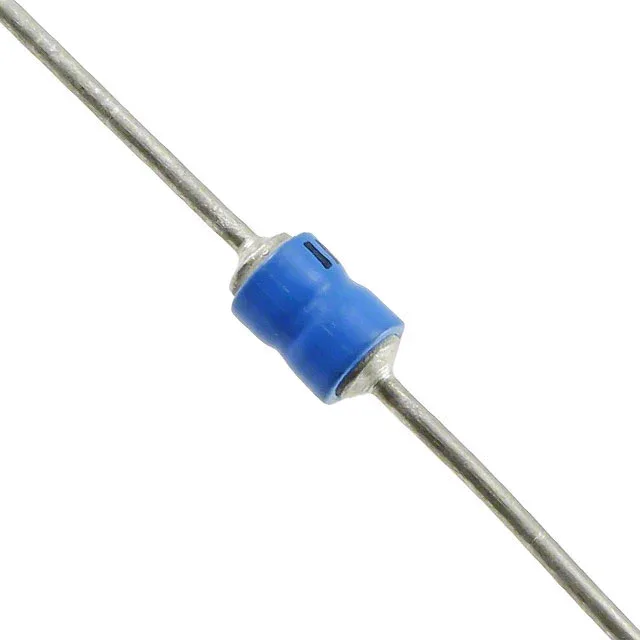
Microchip Technology 1N6118A — Circuit Protection

1N6118A Zener TVS Diode – 500W, 31.4V Breakdown, Active

MPN1N6118A
Active

Microchip Technology 1N6118A, Zener TVS diode, 500 W peak pulse power, 31.4 V min breakdown, 45.7 V clamping, 10.9 A peak pulse current, bidirectional, through-hole axial package, -55°C to 175°C.

$14.0100Ref. price · indicative, final on quote
Independent supplier — new & surplus stockAuthenticity-screened · ESD-safe packingListing updated Aug 2026

Specifications

1N6118A specifications
ParameterValue
TypeZener
MountingThrough Hole
Voltage - breakdown31.4V
Voltage - clamping (Max) @ ipp45.7V
Voltage - reverse standoff25.1V
Current - peak pulse (10/1000μs)10.9A
Power - peak pulse500W
Power line protectionNo
Operating temperature-55°C~175°C(TJ)
PackageBulk
ApplicationsGeneral Purpose
CaseB, Axial
Bidirectional channels1

Product details

Its 500 W peak pulse power rating (10/1000 µs waveform) handles moderate surges typical of industrial control, telecom, and power-supply inputs, while the 45.7 V clamping voltage keeps downstream semiconductors below their absolute-max rating during an event.

Clamping voltage and breakdown — the numbers that matter for BOM fit

With a minimum breakdown voltage of 31.4 V and a maximum clamping voltage of 45.7 V at the rated peak pulse current of 10.9 A, this part suits 24 V or 28 V rails where the transient must be clamped below 48 V. The 25.1 V reverse standoff voltage means the diode does not conduct at normal operating levels on a 24 V bus.

Package and temperature range for through-hole assembly

Supplied in a through-hole axial package (B, Axial), the 1N6118A is a drop-in for existing board layouts using 0.025-inch lead diameter holes.

Frequently asked questions

Can I use 1N6118A as a replacement for 1N6118?

The 1N6118A is the tighter-tolerance version of the 1N6118 base number. Both share the same 500 W peak pulse power, 45.7 V clamping voltage, and axial package, but the 'A' suffix typically indicates a ±5% breakdown voltage tolerance versus the standard ±10%. Confirm the breakdown voltage tolerance your circuit requires before substituting.