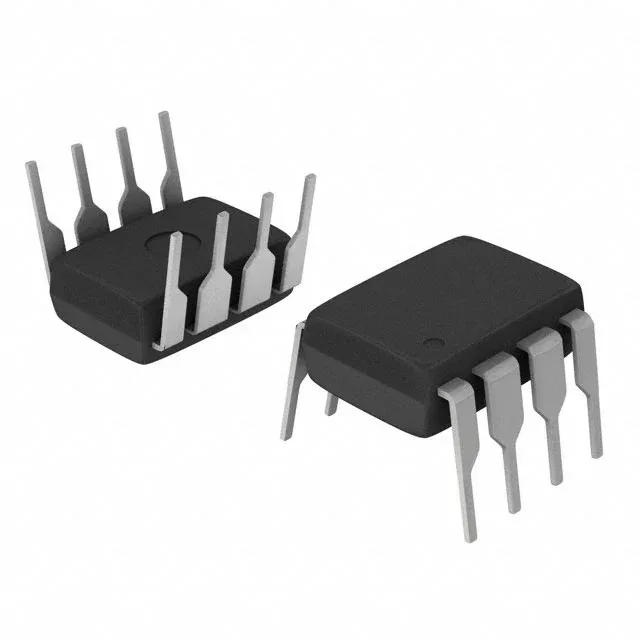
Infineon Technologies FM25V20A-PG — Memory (DRAM / SRAM / Flash / EEPROM)

FM25V20A-PG F-RAM 2Mbit SPI FRAM, 40 MHz, 8-PDIP

MPNFM25V20A-PG
Active

Cypress F-RAM™ FM25V20A-PG, 2Mbit (256K x 8) Ferroelectric RAM, SPI interface, 40 MHz clock, 2V-3.6V supply, -40°C to 85°C, 8-PDIP package, Tube.

$10.8651Ref. price · indicative, final on quote
Independent supplier — new & surplus stockAuthenticity-screened · ESD-safe packingListing updated Aug 2026

Specifications

FM25V20A-PG specifications
ParameterValue
SeriesF-RAM™
Memory typeNon-Volatile
MountingThrough Hole
Supply voltage2V ~ 3.6V
Clock frequency40 MHz
Memory interfaceSPI
Operating temperature-40°C ~ 85°C (TA)
PackageTube
TechnologyFRAM (Ferroelectric RAM)
Memory size2Mbit
Memory formatFRAM
Case8-DIP (0.300\", 7.62mm)
Memory organization256K x 8

Product details

2 Mbit FRAM with SPI — the non-volatile alternative to serial EEPROM

The Cypress FM25V20A-PG is a 2 Mbit Ferroelectric RAM (F-RAM™) memory device organized as 256K x 8 bits, communicating over an SPI bus at up to 40 MHz. The 2V to 3.6V supply range lets it operate in both 3.3V and 1.8V logic domains without an extra regulator.

Frequently asked questions

Is the FM25V20A-PG a drop-in replacement for the FM25V20A?

The FM25V20A-PG is the same base product (FM25V20) in the 8-pin PDIP package variant. The suffix -PG denotes the through-hole PDIP option. If your existing design uses the FM25V20A in a PDIP footprint, the -PG suffix is the correct ordering code for that package — verify the package code on your BOM matches 8-PDIP.

Does the FM25V20A-PG require any external components?

No external charge pump or write-enable sequencing is needed. FRAM writes at the SPI bus speed directly, so the standard SPI bus signals (SCK, MOSI, MISO, CS) plus supply decoupling are all that is required. A 0.1 µF ceramic close to the supply pin is the usual recommendation.

Can the FM25V20A-PG replace a serial EEPROM?

Yes, in most cases. The FM25V20A-PG uses the same SPI interface and pinout as a standard serial EEPROM, but writes at bus speed with no write-cycle delay and offers essentially unlimited endurance (10^14 read/write cycles) versus EEPROM's typical 1 million cycles. The trade-off is a slightly higher standby current than some EEPROMs, so check the quiescent budget for battery-powered designs.