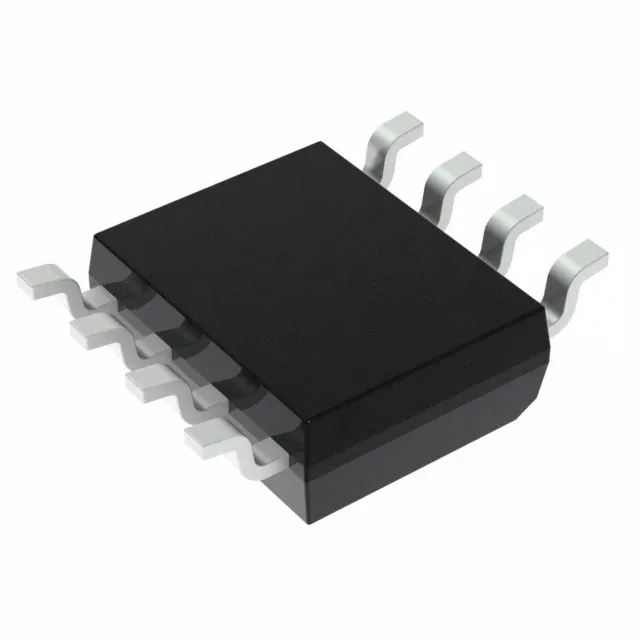
Infineon Technologies FM24V01A-GTR — Memory (DRAM / SRAM / Flash / EEPROM)

Cypress FM24V01A-GTR F-RAM 128Kbit I²C 3.4MHz 8-SOIC

MPNFM24V01A-GTR
Active

Infineon (Cypress) F-RAM™ series, FM24V01A-GTR, 128Kbit (16K x 8) non-volatile FRAM, I²C interface, 3.4 MHz clock, 130 ns access time, 2V–3.6V supply, -40°C to 85°C, 8-SOIC, Tape & Reel.

$3.7000Ref. price · indicative, final on quote
Packaging8-SOIC (0.154", 3.90mm Width)
RoHSROHS3 Compliant
SeriesF-RAM™
Independent supplier — new & surplus stockAuthenticity-screened · ESD-safe packingListing updated Aug 2026

Specifications

FM24V01A-GTR specifications
ParameterValue
SeriesF-RAM™
Memory typeNon-Volatile
MountingSurface Mount
Supply voltage2V ~ 3.6V
Clock frequency3.4 MHz
Memory interfaceI²C
Operating temperature-40°C ~ 85°C (TA)
PackageTape & Reel (TR) Cut Tape (CT)
TechnologyFRAM (Ferroelectric RAM)
Access time130 ns
Memory size128Kbit
Memory formatFRAM
Case8-SOIC (0.154\", 3.90mm Width)
Memory organization16K x 8

Product details

128 Kbit FRAM on a 3.4 MHz I²C bus

The Infineon (Cypress) FM24V01A-GTR is a 128 Kbit non-volatile FRAM organized as 16K x 8, accessed over an I²C interface that clocks up to 3.4 MHz. The 130 ns access time suits polling loops or DMA transfers without wait-state insertion on most MCUs.

8-pin SOIC, 3.90 mm body width, surface-mount. The -GTR suffix means Tape & Reel — standard for pick-and-place.

Frequently asked questions

Is FM24V01A-GTR RoHS compliant?

Yes, ROHS3 compliant — no restricted substances above the threshold limits.

What is the max I2C clock frequency of FM24V01A-GTR?

3.4 MHz — Fast-mode Plus. That is the highest standard I²C speed tier, so the part can keep up with a fast MCU I²C peripheral without clock-stretching overhead.

Is FM24V01A-GTR compatible with 3.3V logic?

Yes. The supply range of 2V to 3.6V includes 3.3V, and the I²C bus thresholds are compatible with 3.3V logic levels. No level shifter required.

What is the difference between FRAM and EEPROM?

FRAM writes at bus speed with no write-cycle delay and offers essentially unlimited endurance (10^14 cycles typical) versus EEPROM's 1 million cycles. For applications that write data frequently — data logging, metering, counters — FRAM eliminates the write-delay overhead and wear-out risk.