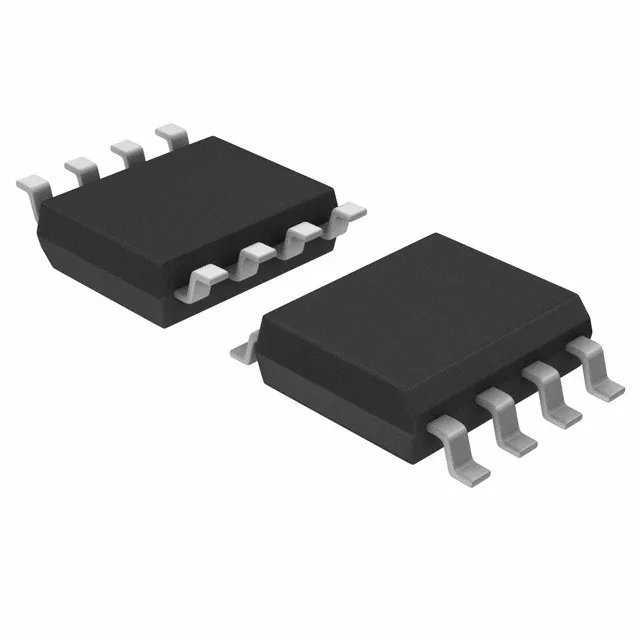
Infineon Technologies FM24CL16B-G — Memory (DRAM / SRAM / Flash / EEPROM)

FM24CL16B-G F-RAM 16Kbit I2C 1MHz 8SOIC

MPNFM24CL16B-G
Active

Infineon (formerly Cypress) F-RAM™ FM24CL16B-G, 16Kbit Ferroelectric RAM, I²C 1 MHz, 550 ns access, 2.7V–3.6V, -40°C to 85°C, 8-SOIC.

$1.7000Ref. price · indicative, final on quote
Packaging8-SOIC (0.154", 3.90mm Width)
RoHSROHS3 Compliant
SeriesF-RAM™
Independent supplier — new & surplus stockAuthenticity-screened · ESD-safe packingListing updated Aug 2026

Specifications

FM24CL16B-G specifications
ParameterValue
SeriesF-RAM™
Memory typeNon-Volatile
MountingSurface Mount
Supply voltage2.7V ~ 3.6V
Clock frequency1 MHz
Memory interfaceI²C
Operating temperature-40°C ~ 85°C (TA)
PackageTube
TechnologyFRAM (Ferroelectric RAM)
Access time550 ns
Memory size16Kbit
Memory formatFRAM
Case8-SOIC (0.154\", 3.90mm Width)
Memory organization2K x 8

Product details

What this FRAM replaces on your board

The FM24CL16B-G is a 16Kbit non-volatile memory from Infineon's F-RAM™ family, using ferroelectric storage instead of floating-gate cells. It talks I²C at up to 1 MHz and lives in a standard 8-SOIC footprint. The key difference from a serial EEPROM: no write-cycle limit. You can write to any address 10^14 times before the cell wears out, which makes it the part you pick when the system logs data every few seconds over a ten-year service life.

The 550 ns access time looks slow compared to a parallel SRAM, but this is a serial I²C part. The bus runs at 1 MHz, so each bit takes 1 µs; the access time is the internal fetch latency, not the bus cycle. If you are replacing a 24LCxx EEPROM running at 400 kHz, the FM24CL16B-G will feel faster because it does not need a page-write delay or a polling loop. The write completes in the same bus cycle as the data transfer — no 5 ms wait.

Supply and temperature — fits industrial and 3.3V logic

The I²C interface is 3.3 V logic compatible.

Frequently asked questions

Can FM24CL16B-G replace a standard serial EEPROM like a 24LC16?

Yes, in most cases. The FM24CL16B-G is pin-compatible with the 24LCxx 8-pin SOIC footprint and uses the same I²C protocol at up to 1 MHz. The big difference is write endurance: FRAM has effectively unlimited writes, while EEPROM wears out after 1 million cycles. If your code does a write-every-second logging loop, the FRAM lasts the product lifetime; the EEPROM does not.

Is FM24CL16B-G compatible with 3.3V systems?

Yes. The I²C bus levels are 3.3 V logic compatible. No level shifter needed.

What is the write endurance of FM24CL16B-G?

FRAM technology does not have a specified write-cycle limit in the same way EEPROM does. The ferroelectric cell is rated for 10^14 read/write cycles — effectively unlimited for any practical product life. There is no page-write delay; each byte is written at bus speed.

What is the difference between FRAM and EEPROM?

FRAM stores data using a ferroelectric crystal polarisation rather than a floating gate. This gives it three practical advantages: no write-cycle wear-out (10^14 cycles vs 1 million for EEPROM), no write-delay (each byte writes at bus speed, no 5 ms page-write wait), and lower active power during writes. The trade-off is lower density per die area — FRAM parts top out at a few megabits, while EEPROM goes to 4 Mbit.