72 Mbit DDR II+ SRAM at 400 MHz — what it buys you
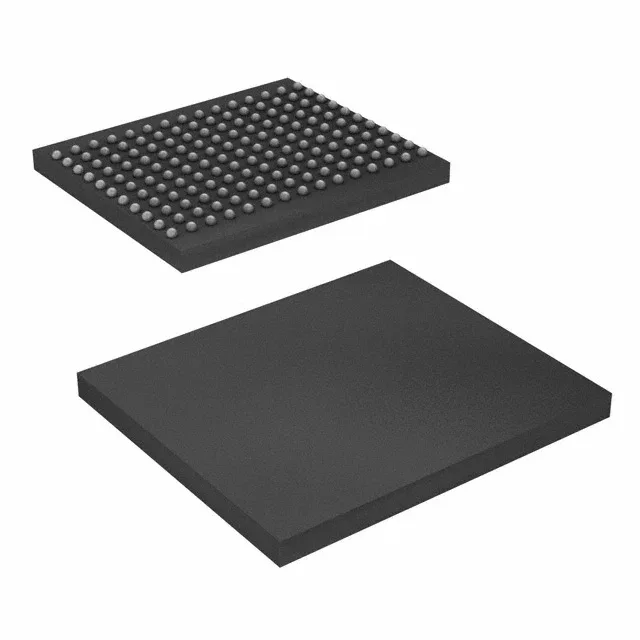
The 400 MHz clock rate means the memory delivers back-to-back read/write transactions with zero dead cycles between bursts — the bus doesn't stall on turnaround. That matters when the FPGA or network processor feeding it runs a pipelined datapath that can't tolerate a wait state every time the bus direction flips. The 165-ball FBGA (13x15 mm) footprint is the standard DDR II+ SRAM pinout for this density tier — verify it against your existing board layout if this is a drop-in replacement.
It belongs in controlled indoor environments — server rooms, telecom central offices, benchtop test equipment — not in an outdoor base station cabinet or an engine bay. If your system sees -40°C or 85°C+ ambient, you need the industrial-temperature variant from this family.