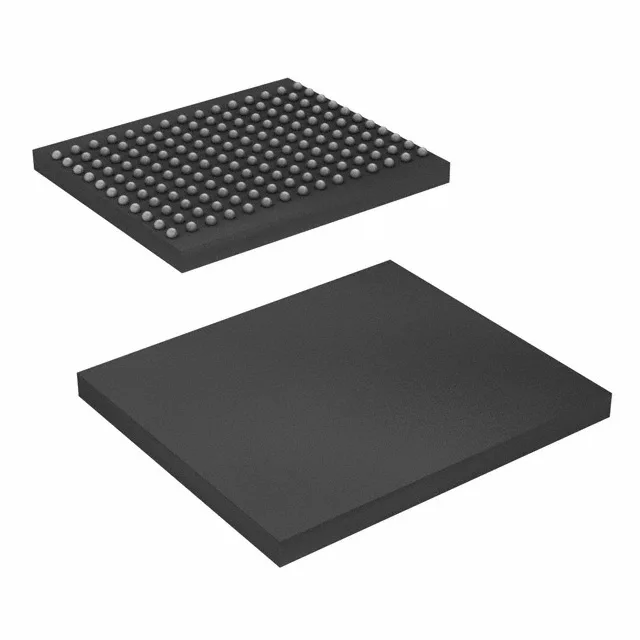
Infineon Technologies CY7C1518KV18-300BZI — Memory (DRAM / SRAM / Flash / EEPROM)

Cypress CY7C1518KV18-300BZI 72Mbit DDR II SRAM, 300 MHz

MPNCY7C1518KV18-300BZI
Obsolete

Cypress CY7C1518KV18-300BZI, 72Mbit Synchronous DDR II SRAM, 4M x 18 organization, 300 MHz clock frequency, Parallel interface, 1.7V–1.9V supply, -40°C to 85°C, 165-FBGA (13x15) package, Tray.

Independent supplier — new & surplus stockAuthenticity-screened · ESD-safe packingListing updated Jul 2026

Specifications

CY7C1518KV18-300BZI specifications
ParameterValue
Memory typeVolatile
MountingSurface Mount
Supply voltage1.7V ~ 1.9V
Clock frequency300 MHz
Memory interfaceParallel
Operating temperature-40°C ~ 85°C (TA)
PackageTray
TechnologySRAM - Synchronous, DDR II
Memory size72Mbit
Memory formatSRAM
Case165-LBGA
Memory organization4M x 18

Product details

It runs at a 300 MHz clock, delivering back-to-back read/write throughput without dead cycles between bus turns — the key advantage of the DDR II interface over standard synchronous SRAM. This part targets high-bandwidth, low-latency buffer applications in networking line cards, telecom switches, and high-end test equipment where the memory must keep pace with a 300 MHz data bus.

At 300 MHz, the DDR II interface transfers data on both clock edges, so the effective data rate is 600 MT/s per I/O. That bandwidth is what makes this part a fit for designs that need to stream large packets or samples without stalling the controller.

No hand-soldering this one; it is a surface-mount-only part.

Cypress (now part of Infineon) no longer manufactures the CY7C1518KV18-300BZI.

Frequently asked questions

What is a direct replacement for CY7C1518KV18-300BZI?

No official replacement order code is recorded in the lifecycle data for this part. A form-fit-function substitute would need to match the 72 Mbit density, 300 MHz DDR II interface, 1.7 V–1.9 V supply, and 165-FBGA footprint. Without a documented cross-reference, verify any candidate against the original datasheet before committing the BOM.