It clocks at 300 MHz and delivers back-to-back read and write operations on separate data ports — no bus-turnaround dead cycles, which makes it a fit for high-throughput buffer applications in network switches, telecom line cards, and test equipment where sustained bandwidth matters more than random-access latency.
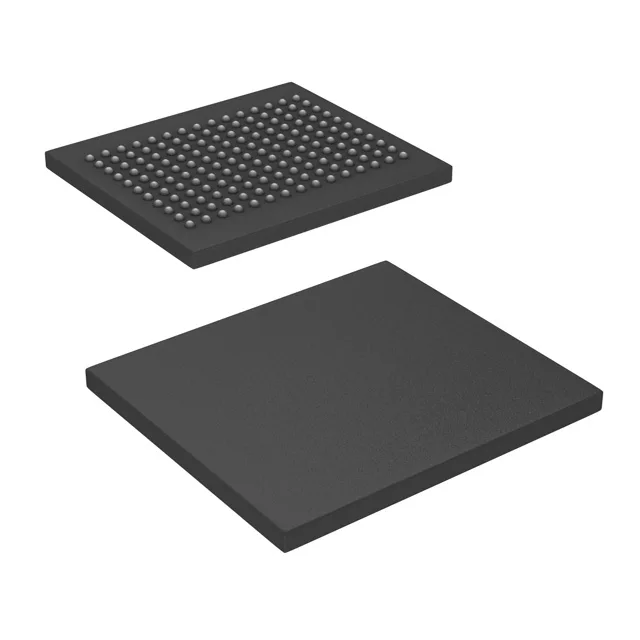
Cypress CY7C1515JV18-300BZI QDR II SRAM, 72Mbit, 300 MHz
MPNCY7C1515JV18-300BZI
Obsolete
Cypress CY7C1515JV18-300BZI, QDR II synchronous SRAM, 72Mbit (2M x 36), 300 MHz clock, parallel interface, 1.7V–1.9V supply, -40°C to 85°C, 165-FBGA (15x17 mm), tray.
Independent supplier — new & surplus stockAuthenticity-screened · ESD-safe packingListing updated Jul 2026
Specifications
| Parameter | Value |
|---|---|
| Memory type | Volatile |
| Mounting | Surface Mount |
| Supply voltage | 1.7V ~ 1.9V |
| Clock frequency | 300 MHz |
| Memory interface | Parallel |
| Operating temperature | -40°C ~ 85°C (TA) |
| Package | Tray |
| Technology | SRAM - Synchronous, QDR II |
| Memory size | 72Mbit |
| Memory format | SRAM |
| Case | 165-LBGA |
| Memory organization | 2M x 36 |
Product details
Frequently asked questions
Is CY7C1515JV18-300BZI obsolete?
Yes, the CY7C1515JV18-300BZI is obsolete with no official successor listed. It is available only through surplus or broker channels.
What are the specifications of CY7C1515JV18-300BZI?
It is a 72Mbit synchronous QDR II SRAM organized as 2M x 36, with a 300 MHz clock, parallel interface, 1.7V–1.9V supply, and industrial temperature range of -40°C to 85°C. The package is a 165-ball FBGA (15x17 mm).
What is the package of CY7C1515JV18-300BZI?
The package is a 165-ball FBGA (15x17 mm body), surface-mount, supplied in tray.
What is the clock frequency of CY7C1515JV18-300BZI?
The clock frequency is 300 MHz, which yields a peak data rate of 1.2 Gbps per I/O pin on the QDR II interface.