QDR II gives you separate read and write data ports, each clocked at 250 MHz, so the bus never stalls for turnaround — you get back-to-back read and write operations every cycle.
At 250 MHz, the QDR II interface delivers a peak data rate of 18 Gbit/s on the 36-bit bus (double data rate on each port). That is enough to keep a 10 GbE packet buffer or a radar pulse processor fed without external FIFO management. Plan for controlled impedance traces and on-die termination if the layout runs longer than a few inches.
Package and board-level reality
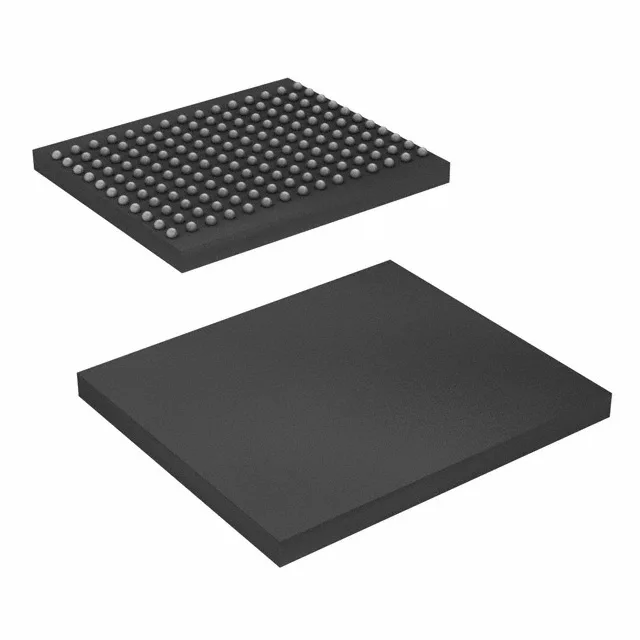
The 165-ball FBGA (13x15 mm) is a fine-pitch BGA. No lab, no bench, let us go — but this is not a field-swap part. You need a reflow oven and a stencil aligned to the ball map. The tray shipping medium means the parts arrive in a matrix carrier, not tape-and-reel, so plan your pick-and-place feeder setup accordingly.
That puts it in indoor networking gear, lab instruments, and server-class equipment. Not for an engine bay, outdoor cabinet, or unheated warehouse. If your system sees -40°C startup or 105°C junction, look at the industrial-temperature suffix variants in the same family.