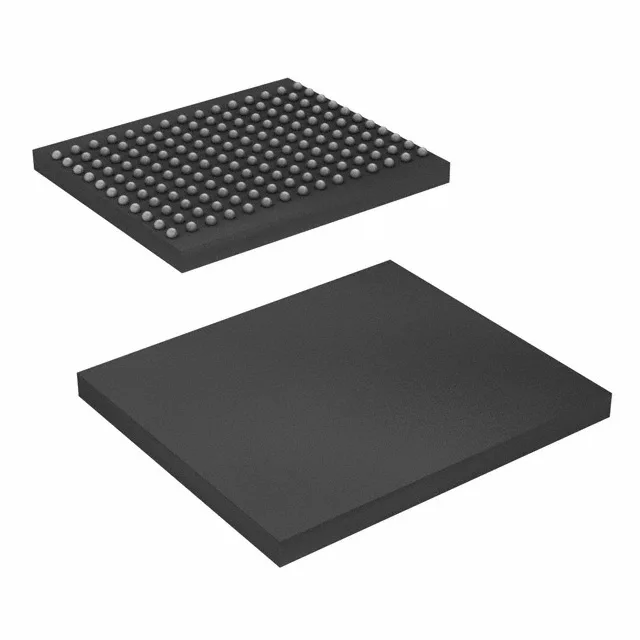
72 Mbit QDR II SRAM at 300 MHz — buffer memory for high-throughput systems
It runs on a 300 MHz clock, giving back-to-back read and write bandwidth without dead cycles — the whole point of QDR. The supply range is 1.7V to 1.9V, and it comes in a 165-ball FBGA (13x15 mm) for surface-mount assembly. This is the part you spec into a network processor, search engine, or high-speed line card buffer where every clock cycle counts.
300 MHz clock — timing closure at speed
At 300 MHz the SRAM delivers a 3.33 ns cycle time. The QDR II interface separates read and write data ports, so the controller never waits for bus turnaround. That matters when you are pipelining packets or lookups at line rate — the memory keeps up without inserting idle cycles. On the layout side, the 165-FBGA footprint needs controlled-impedance traces and a solid 1.8 V plane to hold signal integrity at that edge rate.
It is not rated for outdoor cabinets, engine bays, or industrial floors — for those you would look at the industrial-temperature QDR variants. The 1.7V to 1.9V core supply is tight; plan for a clean 1.8 V rail with ±5 % regulation.
165-FBGA — not a field-swap part
The 165-ball FBGA (13x15 mm) is a fine-pitch BGA. No socket option — it is reflow or hot-air rework only. If you are stocking spares for field repairs, plan for a rework station, not a hand-solder swap.