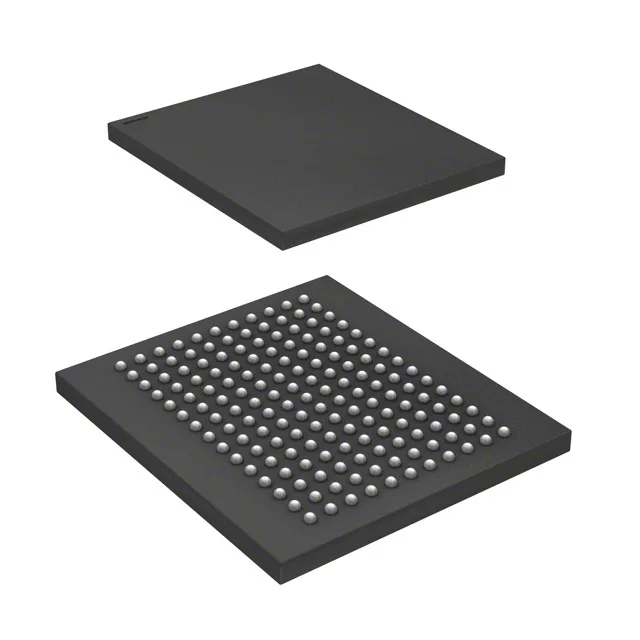
Infineon Technologies CY7C1472BV25-200BZIT — Memory (DRAM / SRAM / Flash / EEPROM)

CY7C1472BV25-200BZIT SRAM, 72Mbit, 200 MHz, 3 ns, Obsolete

MPNCY7C1472BV25-200BZIT
Obsolete

Cypress NoBL™ synchronous SRAM, CY7C1472BV25-200BZIT, 72Mbit (4M x 18), 200 MHz clock frequency, 3 ns access time, 2.375V–2.625V supply, industrial temperature -40°C to 85°C, 165-FBGA package.

$131.2000Ref. price · indicative, final on quote
Independent supplier — new & surplus stockAuthenticity-screened · ESD-safe packingListing updated Jul 2026

Specifications

CY7C1472BV25-200BZIT specifications
ParameterValue
SeriesNoBL™
Memory typeVolatile
MountingSurface Mount
Supply voltage2.375V ~ 2.625V
Clock frequency200 MHz
Memory interfaceParallel
Operating temperature-40°C~85°C(TA)
PackageTape & Reel (TR)
TechnologySRAM - Synchronous, SDR
Access time3 ns
Memory size72Mbit
Memory formatSRAM
Case165-LBGA
Memory organization4M x 18

Product details

NoBL™ synchronous SRAM — 72 Mbit, 200 MHz, 3 ns access

The CY7C1472BV25-200BZIT: It clocks at 200 MHz with a 3 ns access time, operating from a 2.375 V to 2.625 V supply.

200 MHz clock and 3 ns access — timing budget for high-throughput designs

The 200 MHz clock frequency and 3 ns access time suit fast networking ASICs, DSPs, and FPGA-based packet processors. The NoBL™ pipeline means back-to-back reads and writes incur no wait states — critical for FIFO buffers and cache-line fills. At 200 MHz the parallel interface demands careful PCB layout; the 165-FBGA package's short signal paths help maintain signal integrity.

Industrial temperature grade — outdoor and factory-floor deployment

The 2.375 V to 2.625 V supply rail is typical for 2.5 V logic families, so it integrates cleanly into a 2.5 V I/O domain without level shifters.

Buyers should expect to source this SRAM through independent distribution — sealed reels with consistent date-codes are the preferred lot condition.

Frequently asked questions

What is the access time of CY7C1472BV25-200BZIT?

The access time is 3 ns, paired with a 200 MHz clock frequency. This combination supports zero-wait-state back-to-back transactions in the NoBL™ pipeline.